 2026-08-12
Direct answer: Drift window operation and lock planning should begin by identifying the exact sliding or suspended system, then mapping the active panels, handles, locks, stops, screens, and safe user sequence. “Drift window” is not a standard U.S. performance class, so generic hardware assumptions are risky. U.S. buyers should request product-specific drawings, test normal operation, document control points, and confirm performance data before approving a Forge Windows configuration.
Key Takeaways
- Define the exact product and panel movement before choosing handles or locks.
- Draw every active panel, meeting rail, lock point, stop, and screen.
- Evaluate reach, pinch areas, furniture conflicts, ventilation position, and unauthorized operation.
- Do not modify carriers, anti-lift parts, limit devices, or locks without approved instructions.
- Keep operational planning separate from verified energy and performance documentation.
What “Drift window” Means for Hardware Planning
The term can describe different floating, suspended, linked, or multi-track window arrangements. One system may carry panel weight at the sill, while another relies more heavily on upper hardware. Locking points and operating sequences can also differ. Start with the series name, shop drawing, and hardware schedule rather than the marketing term alone.
Forge Windows presents the 128 Series Floating Sliding Window and T128 Six-Track Suspended Sliding Window as distinct configurations. Their pages can frame a technical discussion, but availability, dimensions, glass, hardware, and documented performance must be confirmed for the proposed unit. Never transfer an operating instruction from one system to another because their panels look similar.
Map Every Moving Panel and Control Point
| Item | Question to answer | Handoff record |
|---|---|---|
| Active panel | Which panel moves first and in what direction? | Numbered elevation with arrows |
| Handle | Where is the normal grip position? | Height and side on the drawing |
| Lock | How is full engagement confirmed? | Hardware name and user sequence |
| Stop or limiter | What controls travel? | Approved device and setting |
| Screen | How does it move or release? | Separate track and removal note |
| Service access | How can authorized personnel reach components? | Clearance and access procedure |
Use a view from the room side and label the orientation. Show panels closed, partly open, and in their intended parked positions. Mark overlap zones and meeting rails. This simple visual reduces confusion among buyers, installers, occupants, and service technicians.
Plan a Clear Drift window Operating Sequence
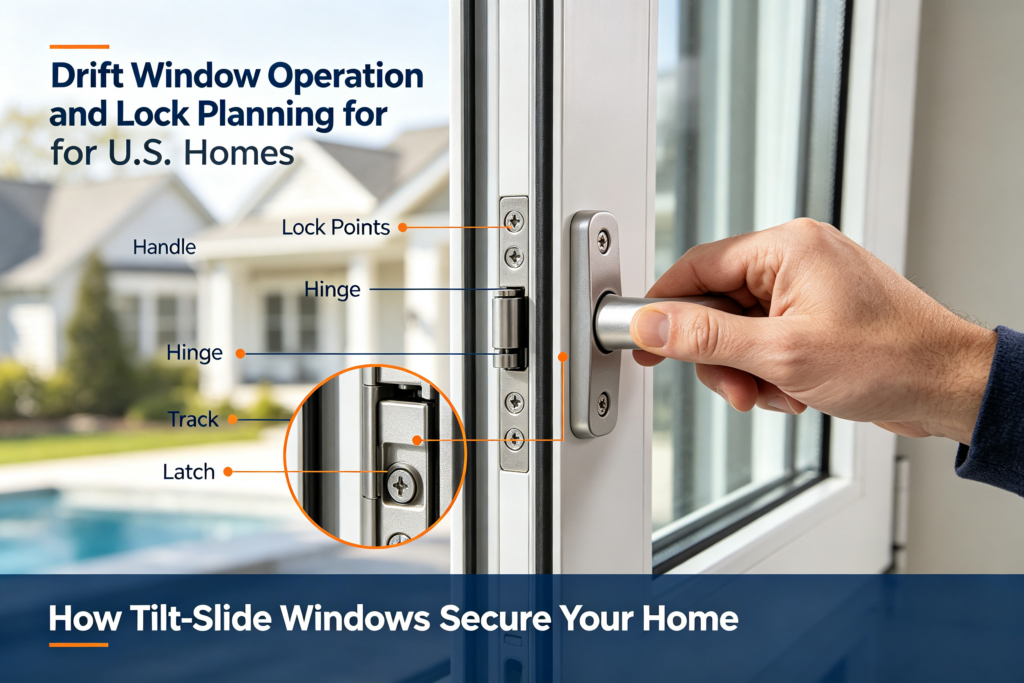
The user should understand which lock releases first, where to grip the panel, and how to move it without pushing on glass or exposed seals. If panels link together, document when that connection engages and disengages. Identify the correct closing order so interlocks and weatherseals align as intended. Provide product-specific instructions near turnover.
Do not rely on excessive force to overcome resistance. Debris, misalignment, damaged hardware, frame movement, or an incorrect sequence can all change operation. If movement becomes unpredictable, stop using the opening and arrange qualified service. Forcing a panel can worsen damage or create a loss-of-control hazard.
Evaluate Reach, Pinch Areas, and Room Conflicts
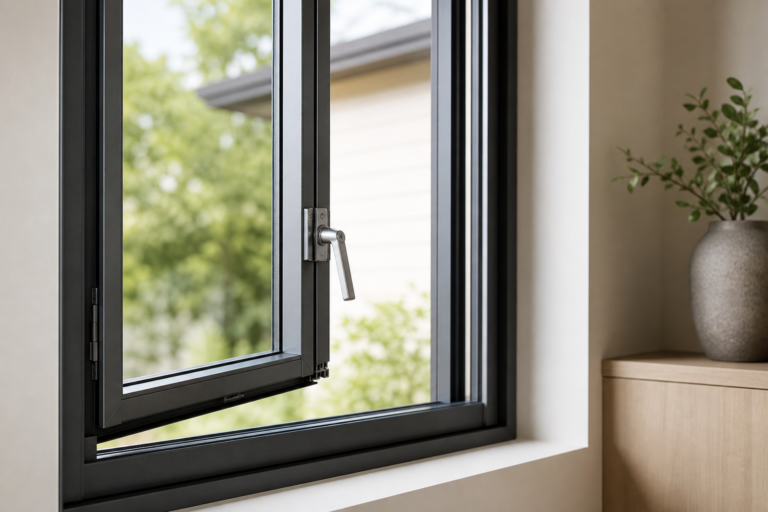
Review who will use the Drift window and whether the handle and lock can be reached from the normal standing position. Check countertops, furniture, shades, curtains, screens, and adjacent doors. Show fingers and hands away from meeting stiles, linked-panel joints, and end-of-travel zones. Product instructions should identify the intended grip points.
Households may also need to consider children, visitors, limited mobility, or unauthorized operation. Those needs can affect lock selection, opening control, and supervision, but no generic device guarantees safety in every situation. Discuss the project with the responsible designer, supplier, installer, and local authority. Do not improvise holes or add hardware that could interfere with drainage, reinforcement, glazing, or panel travel.
Separate Ventilation Goals From Locking
Some users want a partly open position for ventilation while also wanting security and controlled travel. A partially open panel is not automatically a secure locked condition. Ask whether an approved ventilation position, stop, or limit device exists for the exact product. Confirm what the manufacturer means by closed, latched, locked, and service mode.
The National Fenestration Rating Council’s window, door, and skylight FAQ (accessed August 12, 2026) explains the purpose of NFRC ratings and labels. Energy ratings do not describe every aspect of hardware use, security, or opening control. Treat operational requirements and energy documentation as separate lines in the submittal.
Verify the Proposed Drift window Configuration
The NFRC Certified Products Directory (accessed August 12, 2026) can help research documented product configurations. Match the record carefully to the proposed manufacturer, series, operator type, frame, glass, and applicable size range. Do not claim that a unit is certified merely because another configuration from the same family appears in a directory.
ENERGY STAR’s current residential fenestration criteria (accessed August 12, 2026) provide another verification point when ENERGY STAR qualification is a project goal. Criteria can change, and eligibility depends on the exact certified product. Request current documentation at the time of purchase rather than depending on an old brochure.
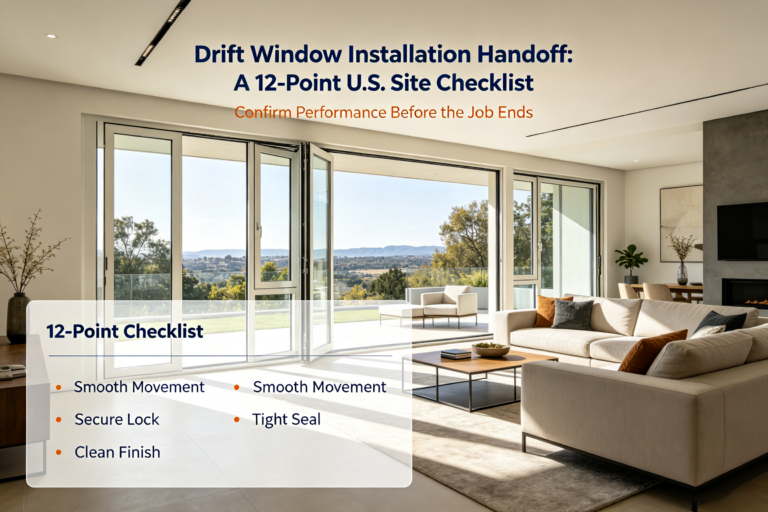
Create an Operation and Lock Approval Checklist
- Exact series, size, track arrangement, and panel count are identified.
- Room-side elevation shows panel numbers and movement arrows.
- Handle, lock, stop, limiter, anti-lift component, and screen are scheduled.
- Normal opening, closing, locking, and unlocking sequences are documented.
- Reach, furniture, shade, screen, and pinch-area conflicts are reviewed.
- Cleaning and authorized service access are available.
- NFRC or ENERGY STAR claims are supported for the exact configuration.
- Installer demonstration and owner documentation are included in turnover.
Forge Windows’ earlier Drift window meaning and buyer checklist can help teams clarify terminology before hardware approval. Send the numbered elevation and use-case notes through the Forge Windows contact page. Ask for the relevant operating instructions and current documentation rather than a generic assurance.

Commissioning the Window at Handover
At turnover, have the installer demonstrate each panel through its intended range. Confirm that locks engage without forcing, handles remain secure, stops function as documented, and screens follow the approved sequence. Record any unusual noise, drag, contact, or misalignment. Resolve open items before routine occupancy.
Give the owner the final shop drawing, hardware schedule, instructions, maintenance guidance, and service contact. Label unusual sequences discreetly when appropriate. Do not leave temporary shipping restraints, packaging, or construction debris in an operating path. Keep the signed commissioning checklist with project records.
Frequently Asked Questions
Is Drift window a recognized U.S. hardware class?
No. The phrase does not by itself identify a standard operator, lock, or performance level. Use exact product documentation to determine the system.
Can any aftermarket lock be added?
Not safely by assumption. Added hardware can conflict with reinforcement, drainage, glass, seals, and panel travel. Obtain written approval for the exact location and device.
Should a panel stay partly open for ventilation?
Only use a position and control method approved for the product and situation. A partly open panel should not be assumed to be secure or safely limited.
What if the lock is difficult to engage?
Do not force it. Check the approved sequence and obvious debris, then request qualified inspection for alignment, hardware, or frame-condition issues.
Does an NFRC label cover lock security?
No. NFRC labels address specified energy-performance ratings. Hardware use, security, structural requirements, and local code review require other documentation.
Conclusion: Approve Drift window Operation Before Ordering
Drift window planning should turn an unfamiliar term into a precise panel map, hardware schedule, user sequence, and verification package. Confirm reach and conflicts, avoid unapproved modifications, and keep energy claims tied to the exact configuration. Forge Windows can respond more effectively when the project team provides drawings, intended use, and documentation requirements. Request and approve those details before fabrication and confirm them again at handover.