2026-09-15
A laminated glass sliding door bonds two or more glass plies to a resilient interlayer. That construction can help hold cracked pieces together, but the interlayer alone does not prove forced-entry resistance. A sound specification separates safety, security, operation and installation evidence.
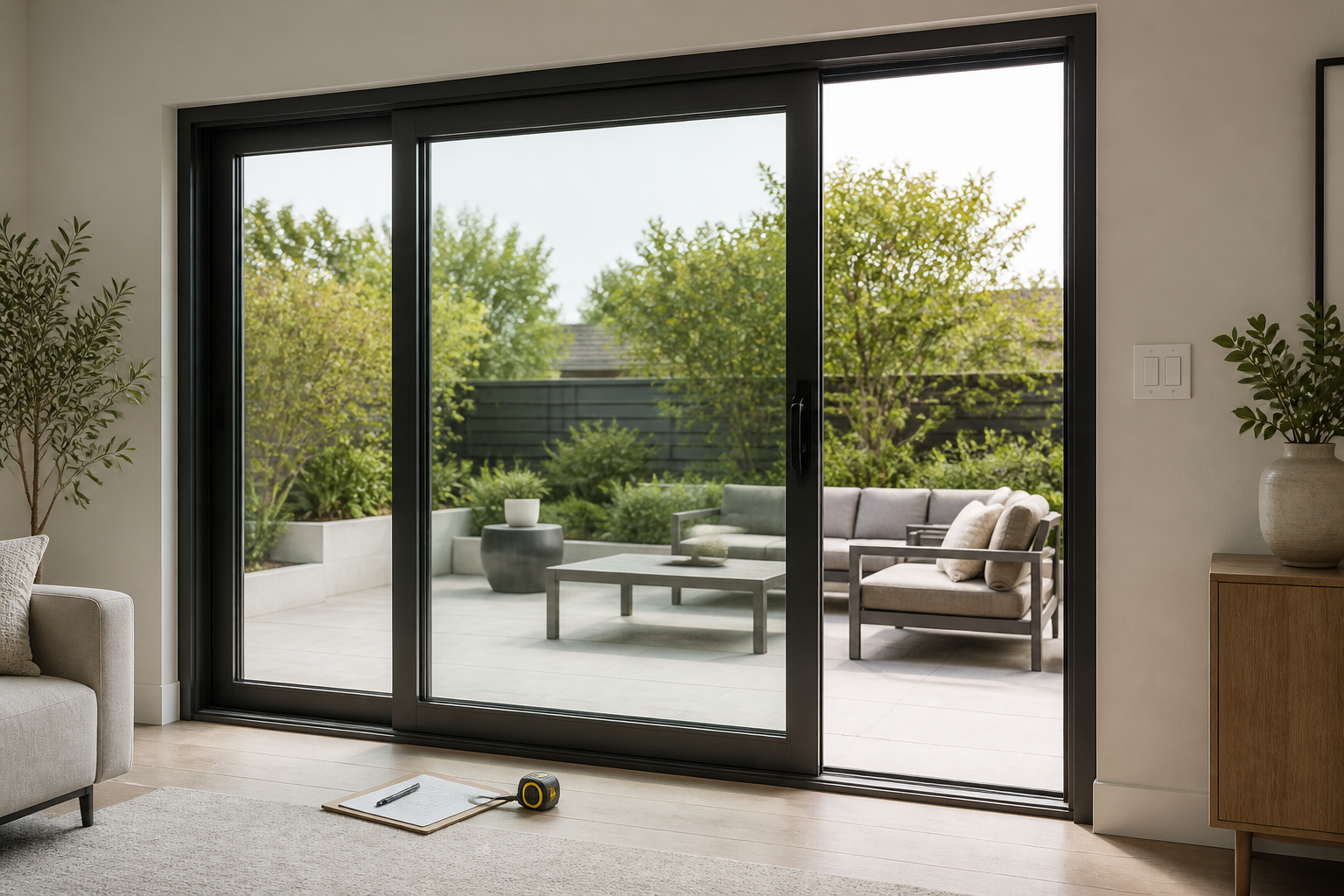
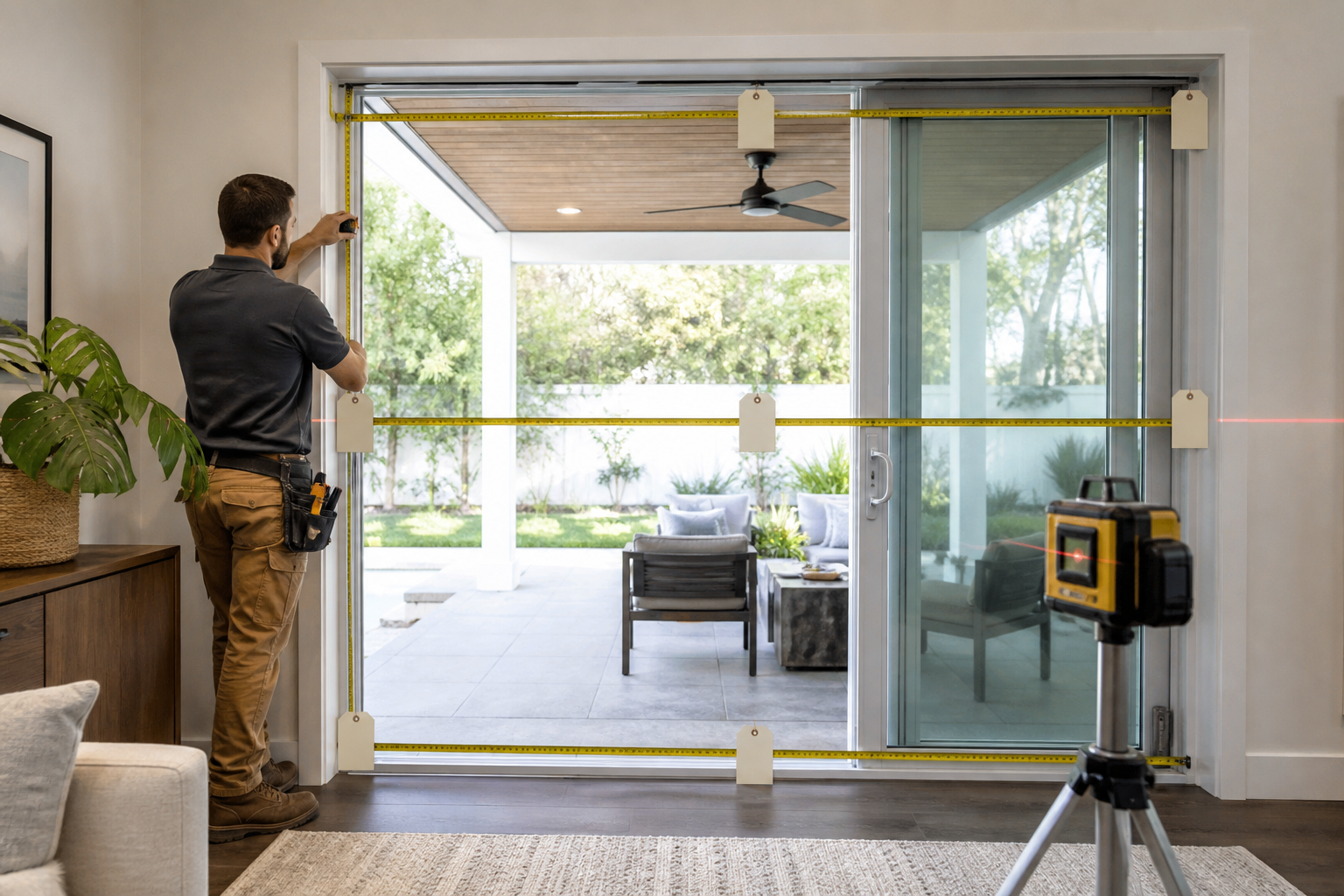
Begin with the opening and the people using it. Record width and height at several points, floor level, diagonals, sill condition, panel direction and handle clearances. Note wind exposure, sun, salt air and whether the door is on an escape route.
Understand the glass build-up
Ask for the exact make-up: glass thickness and type, interlayer material and thickness, edge treatment, and coating. Laminated glass may use annealed, heat-strengthened or tempered plies. The interlayer can retain fragments after breakage, depending on the tested construction.
Tempered glass is processed to increase strength and to break into smaller pieces when it fails. Laminated glass is defined by its bonded layers; a door can combine both. The CPSC says its architectural glazing rule covers patio-type sliding glass doors and uses ANSI Z97.1 safety test procedures. That is impact-safety evidence, not a promise that a burglar cannot get through.
Separate safety and security tests
Identify the test standard, specimen size, glass build-up, frame, lock and result for every claim. A safety impact test evaluates injury risk. For comparison, ASTM F842 evaluates sliding-door assembly resistance while excluding glazing impact. Read each report’s scope before attributing a security benefit to the glass. A glass-only report cannot validate a door with different stiles, rollers or locks.
Request the report number and laboratory, then check that your dimensions and hardware fall within scope. Ask whether the test included retention or post-breakage opening. If unclear, record the claim as unverified.
Check frame and hardware compatibility
Changing the glazing build-up can change the panel weight. Have the supplier calculate panel weight and confirm the frame, carriers, track and anti-lift devices are rated for it. Ask for maximum panel dimensions and weight. Never assume an existing frame can accept a heavier replacement without written confirmation.
Review the lock, keeper, interlock and wall fixings together. Confirm sill drainage, substrate strength and seal compatibility. The approved drawing should show panel numbering, travel, stack position and emergency release where applicable.
Questions for the supplier
| Ask | Record |
|---|---|
| What is laminated? | Plies, interlayer and thickness |
| Which safety test applies? | Standard and certificate |
| Which security test applies? | Complete assembly and result |
| Can the frame carry it? | Panel weight and carrier rating |
| What is installed? | Locks, tracks, seals and fixings |
| How is it serviced? | Adjustments and parts contact |
Plan installation and handover
Agree how the sill will be levelled and tolerances checked. Photograph membranes and fixings before trims conceal them. At handover, cycle every panel, test the lock and confirm the interlock engages without lifting or slamming. Follow manufacturer cleaning guidance.
If the door is an escape path, verify clear width and inside release after hardware is fitted. Demonstrate locking and release. Maintenance should include track cleaning, roller inspection and seal checks.
Key takeaways
- The interlayer can retain fragments, but does not establish a security grade by itself.
- Compare safety and forced-entry evidence separately.
- Confirm panel weight against frame, rollers and track ratings.
- Approve a drawing identifying components and responsibilities.
Frequently asked questions
Is laminated glass safer than tempered glass?
They fail differently. Laminated construction can retain cracked pieces, while tempered glass breaks into small fragments. Select the tested build-up.
Does laminated glass make a sliding door burglar-proof?
No. Security depends on the complete tested assembly, including frame, lock, fixings and installation.
Can my existing frame take laminated glass?
Only after review. Confirm panel weight, carrier limits, clearances and warranty implications with the frame maker or a qualified glazier.
Bring these questions to Forge Windows for a documented quotation.