 2026-09-08
Aluminium window and door manufacturing time depends on the approved design, material availability, finish, glass processing and factory workload. Ask the supplier for a written schedule stating its start conditions. Production completion, dispatch, delivery and installation are separate milestones and should not be treated as the same date.
If you are trying to close a new house before interior work begins, a statement such as “ready in a few weeks” is not enough. You need to know which information is outstanding, what the factory has committed to, and when the site must be ready to receive the products.
Ask what event starts the quoted manufacturing time
Possible start conditions include acceptance of the order, agreed payment milestones, final measurements, approved shop drawings, or confirmation of glass and finishes. They may all be required. Ask the supplier to identify the conditions in writing, then record the date on which the last one is satisfied.
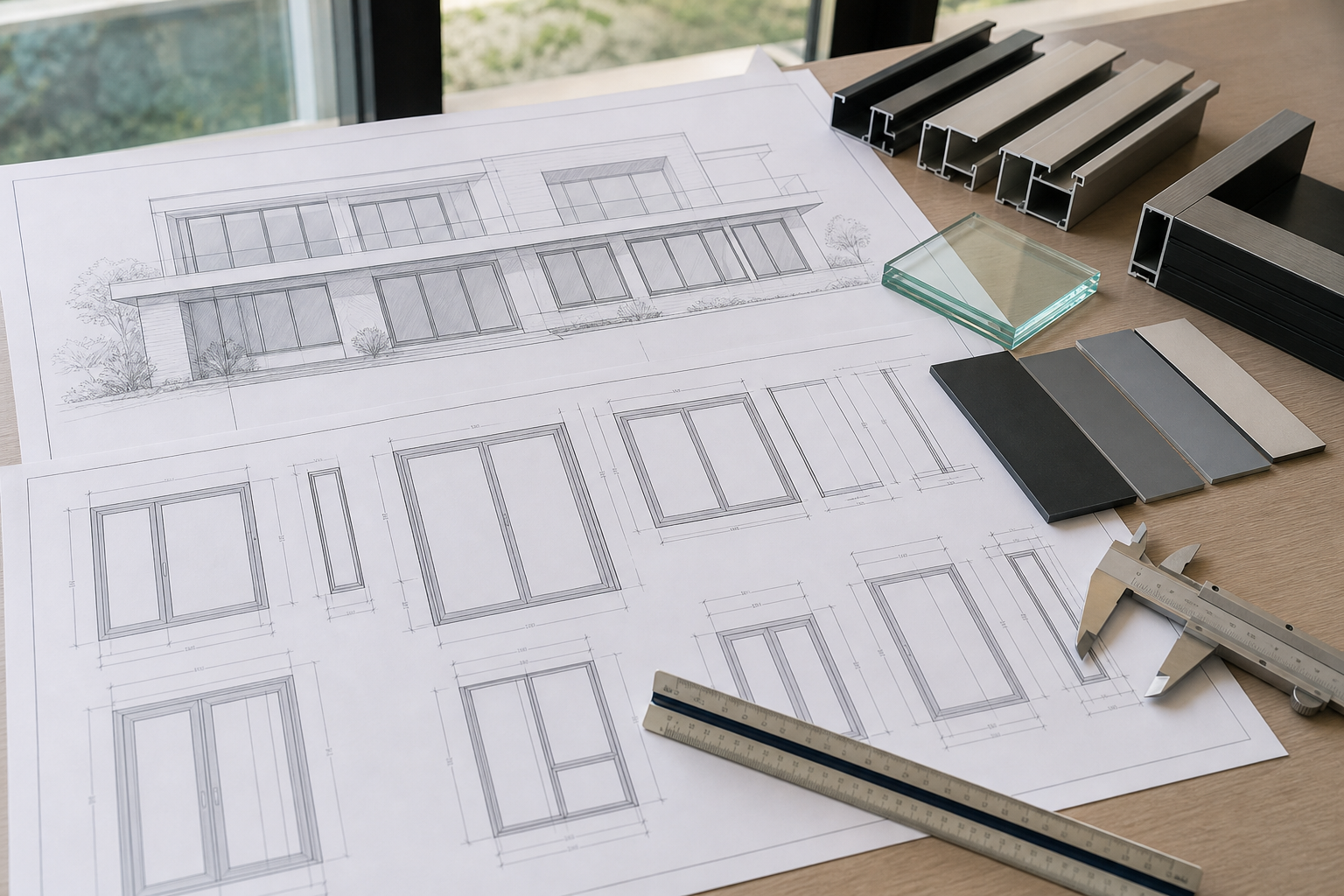
For example, an order may have been discussed on Monday, but its window schedule could still contain unresolved opening directions. The factory may be unable to release the job safely until those choices are approved. Keep commercial acceptance and technical release as separate entries in your project notes.
Map the dependencies before chasing a finish date
| Stage | Information to confirm | Useful evidence |
|---|---|---|
| Technical release | Final sizes, operation, glass and finish | Approved drawing revision |
| Materials | Availability of specified profiles, hardware and glass | Supplier confirmation of outstanding items |
| Fabrication | Allocated production slot and any phased lots | Current factory programme |
| Inspection and packing | Checks, labels and packaging requirements | Release or inspection record |
| Dispatch | Transport booking and collection readiness | Confirmed dispatch plan |
This sequence is a planning framework; factories may organise work differently. Ask which activities can overlap and which depend on another task being finished. That distinction matters more than an optimistic overall estimate.
How specifications can affect the programme
A requested finish or glass type may need a separate processing step or a particular supply route. An oversized assembly may require special packaging and handling arrangements. Ask about these dependencies when choosing the specification, rather than discovering them after the preferred delivery week has been promised to other trades.
Keep performance decisions early. The U.S. Department of Energy’s window technology overview distinguishes frame systems, glazing and operating types. Resolve the actual combination on the order so that a late change does not trigger a fresh technical review.
A drawing change should have an explicit programme response. If you change the panel arrangement after approval, ask which items can still be reused, whether the factory has begun work, and what date is now achievable. Record the revised commitment rather than continuing to circulate an obsolete schedule.
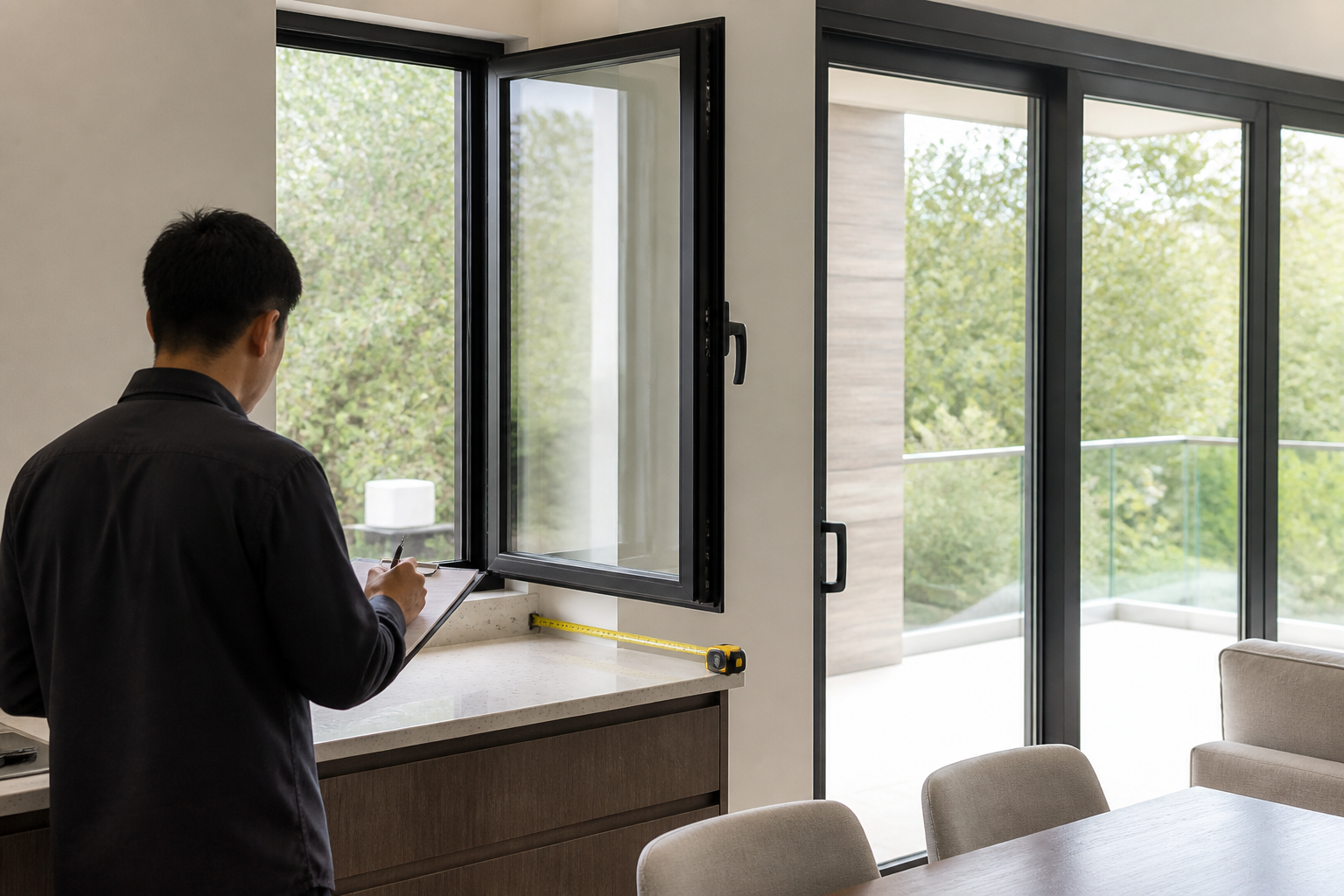
Factory completion is not site delivery
After fabrication, the goods may still need inspection, packaging, transport booking and unloading coordination. For an international order, discuss customs documentation and the responsibilities agreed for the shipment. No generic manufacturing estimate establishes the transit time to your location.
Ask your builder to confirm storage conditions and access before accepting a dispatch plan. The Australian government’s house-building guidance describes the importance of managing the construction process. In your window programme, nominate who checks that openings, access and installation resources will be ready together.
A practical progress request to send the supplier
Use a concise written request: “Please confirm the approved drawing revision, whether the order is released for production, any outstanding material or approval, the current factory completion target, and the expected dispatch milestone. Please identify assumptions behind each date.”
For a phased project, list the opening identifiers required in each delivery. Ask whether splitting the order affects cost, storage, packaging or the production sequence. Do not assume the first completed item can be dispatched independently.
If your scope is still changing, resolve the product and installation boundaries with our quotation comparison guide before relying on an overall completion date.
Frequently asked questions
Can a manufacturer promise a lead time before final drawings?
A supplier may provide an indicative programme, but it should state the assumptions and outstanding approvals. Ask when the date becomes a confirmed commitment and what conditions could require it to change.
Does the production period include shipping?
Not necessarily. Ask for factory completion, dispatch and delivery as separate milestones. Transport arrangements, destination and site access can affect when the goods actually reach your project.
What should I do if my building schedule changes?
Tell the supplier promptly and request a revised dispatch or storage plan. Confirm any effect on costs, packaging, warranty conditions and installation coordination before accepting the revised arrangement.
Request a project-specific programme
Send your opening schedule and required site date through Forge Windows and ask for current availability. The useful answer is a dated programme with stated assumptions, not an unsupported universal manufacturing period.