 2026-08-15
Direct answer: Folding Door commissioning should verify installation condition, controlled panel movement, daily access, locks, stops, seals, threshold drainage, glass, accessories, clearances, labels, and owner instructions before acceptance. The process should compare the installed system with approved drawings and product-specific procedures. This checklist helps U.S. contractors, owners, and Forge Windows teams document open items without claiming performance that has not been tested.
Key Takeaways
- Commission the exact approved panel layout and operating sequence.
- Test daily access and full opening without forcing panels or locks.
- Inspect threshold, drainage, seals, glass, finishes, and perimeter interfaces.
- Record defects and responsibilities before owner acceptance.
- Deliver final drawings, instructions, maintenance guidance, and service contacts.
What Folding Door Commissioning Should Confirm
Commissioning is a documented check that the installed door matches the approved configuration and operates as intended. It is not a substitute for required inspections, laboratory ratings, field testing, or code approval. The scope should be agreed before installation. Qualified parties should address structural, glazing, waterproofing, accessibility, and electrical interfaces where applicable.
Use the Forge Windows Aluminum Folding Door System as a product reference. Request the exact approved drawings, hardware schedule, operating instructions, installation requirements, maintenance guide, and warranty information for the installed order. Commissioning should follow those documents rather than a generic online sequence.
Prepare the Commissioning Record
| Section | What to record | Evidence |
|---|---|---|
| Identification | Opening mark, series, panel count, handing, and location | Approved drawing and labels |
| Installation | Frame condition, anchors where visible, perimeter interfaces | Photos and installer record |
| Operation | Daily leaf, sequence, stack, locks, stops, and handles | Witnessed functional check |
| Threshold | Cleanliness, drainage, finishes, and transitions | Detail comparison and photos |
| Handover | Instructions, keys, tools, parts, and contacts | Signed document list |
Assign one opening mark to every installed Folding Door. Use the same numbering on drawings, punch lists, photographs, warranty records, and service requests. Date each check and identify the observer. Avoid closing an item with a verbal promise that cannot be traced later.
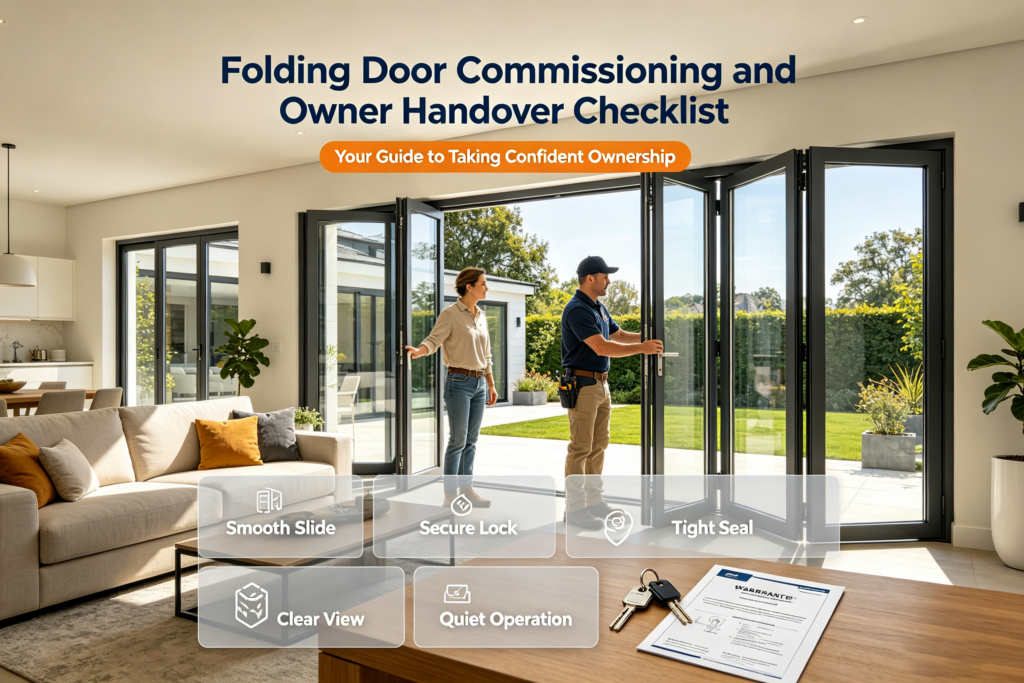
Check Panel Movement and Daily Access
Begin with clean tracks and a clear operating area. Move each panel only through the approved sequence while keeping hands away from hinges and pinch points. Observe control, alignment, resistance, sounds, stack position, and contact with adjacent work. Stop if a panel becomes loose, unpredictable, or requires excessive force.
Test the daily access leaf separately from full opening. Confirm handles, latches, locks, shoot bolts, stops, and restraints engage as documented. Do not use locks to pull misaligned panels into position. Record the exact panel and position of any issue.
Verify the Stack and Clearances
Compare the installed stack with the approved plan and elevation. Check walls, furniture, railings, switches, shades, screens, drains, and walking routes. The Forge Windows Folding Door panel and stacking guide provides useful planning questions. Any field change should be documented and approved.
Confirm that service covers, hardware, glass edges, and accessory components remain accessible. Handles should not strike adjacent panels or finishes. Screens and shades should operate without entering the hinge path or reducing required clearance unexpectedly. Owner furniture should be shown outside protected operating zones.
Inspect Threshold, Drainage, and Perimeter Interfaces
Remove construction debris and check visible drainage paths without drilling or altering the sill. Compare finished-floor elevations, exterior landing, drains, sealants, and adjacent waterproofing with approved details. Photograph standing water, staining, gaps, damaged finishes, or blocked passages. A functional opening check does not prove water performance.
The Forge Windows threshold and safety planning guide can organize the review. The U.S. Access Board’s guide to entrances, doors, and gates (accessed August 15, 2026) explains federal accessibility provisions involving thresholds, clear width, maneuvering clearances, and hardware. Qualified professionals must determine project applicability.
Review Glass, Labels, and Safety Information
Inspect glass for visible damage and compare markings and make-up with the approved schedule. Review current 16 CFR Part 1201 architectural glazing requirements (accessed August 15, 2026) and applicable codes with qualified professionals. Do not remove required labels before inspection. Isolate damaged or incorrectly identified glass.
Check that warning labels, operation labels, keys, and safety information are present where specified. A screen, film, or shade is not a substitute for required safety glazing. Record glass replacements and approvals. Keep final glass documentation with the owner manual.
Keep Ratings and Field Tests Clearly Identified
The National Fenestration Rating Council explains whole-product ratings in its residential guidance (accessed August 15, 2026). Commissioning observations do not create or modify NFRC values. Retain the exact product label and supporting configuration records. Do not describe a door as certified without current documentation.
If project specifications require field testing, define the standard, specimen, preparation, observer, acceptance criteria, and reporting process separately. Do not invent pass/fail results from a hose check or visual inspection. Resolve test deficiencies through the responsible design and installation teams. Record corrective work and retesting when required.
Owner Handover Package
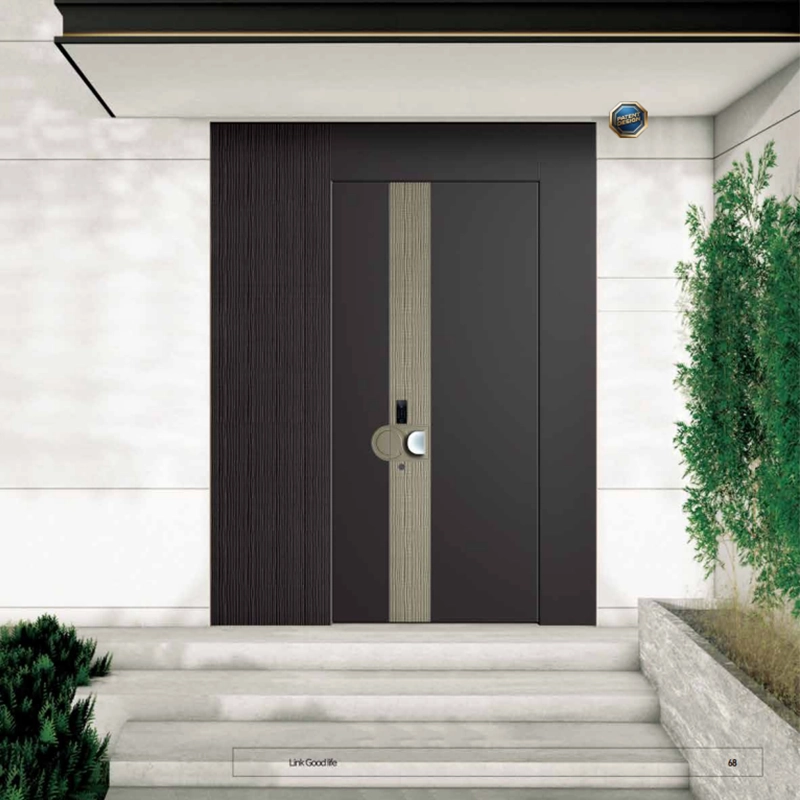
- Approved shop drawings and final opening schedule
- Operating, locking, screening, shading, and cleaning instructions
- Maintenance schedule and approved products
- Keys, tools, spare parts, and component identification
- Warranty terms, exclusions, and service contacts
- Commissioning record, photos, test reports, and open-item list
- Demonstration sign-off naming the owner representative
Review the package with the person who will operate and maintain the door. Demonstrate daily access, full opening, closing, locking, screen or shade use, and basic cleaning. Use the Forge Windows contact page for product-specific questions and keep the response with the project record.
Frequently Asked Questions
Who should commission a Folding Door?
The contract should assign responsible installers, contractors, designers, suppliers, inspectors, and owner representatives. Each should verify the items within their authority.
Is smooth movement enough for acceptance?
No. Acceptance should also review locks, stops, seals, threshold, drainage, glass, clearances, accessories, documentation, and project-specific requirements.
Should the owner receive an operating demonstration?
Yes. Demonstrate the approved daily and full-opening sequences, locking, accessories, cleaning precautions, and conditions requiring service.
Does commissioning prove water resistance?
No. Visual checks and operation do not replace specified field tests or verified product documentation. Keep each type of evidence clearly identified.
What happens to unresolved items?
List each issue with its opening mark, photo, responsible party, target action, and verification method. Do not hide open items in a general sign-off.
Conclusion: Complete the Folding Door Handover With Evidence
Folding Door commissioning should connect the installed condition, operating sequence, stack, hardware, threshold, glass, accessories, documentation, and owner training. Record issues before acceptance and separate observations from verified ratings or tests. Forge Windows can answer product-specific questions when the exact opening and order information are provided. Close the handover only after responsibilities and evidence are complete.