2026-09-19
Tempered and laminated glass address different aspects of safety. Tempering changes glass strength and breakage behaviour; laminating bonds glass layers with an interlayer that can help retain fragments. The appropriate choice depends on the location, loads and required performance of the complete glazing system.
A door, a pane beside a staircase and a large fixed window are not interchangeable applications. Ask what must happen before and after breakage. Preventing an injury from fragments, retaining a barrier and resisting forced entry are different requirements.
Start with the location and consequence of breakage
Mark doors, low-level panes, areas near steps and any glazing associated with a fall risk on the plans. The project designer should identify applicable safety requirements and the glazing contractor should show how the proposed glass and retention meet them. This article is a purchasing checklist, not a glass design calculation.
The National Glass Association’s glazing manual provides technical context for glass types and glazing systems. Ask for the relevant product documentation rather than accepting an unqualified “safety glass” note on the quote.
Compare the complete assembly
| Question | Why it matters |
|---|---|
| What type of glass and interlayer is proposed? | Names such as toughened, laminated and acoustic describe different features |
| What supports and retains the pane? | Glass performance depends on the surrounding system |
| What is expected after breakage? | Fragment retention and continued barrier function need separate review |
| What evidence covers the intended use? | A generic certificate may not match the product or application |
| How is replacement carried out? | Large panes need a practical access and handling route |
Do not confuse impact safety with security
A safety-glazing description is not a guarantee against burglary. If forced-entry resistance is needed, request evidence for the relevant glass, frame, hardware and retention system together. Likewise, an impact-resistant glazing claim for one purpose should not be silently reused for a different hazard.
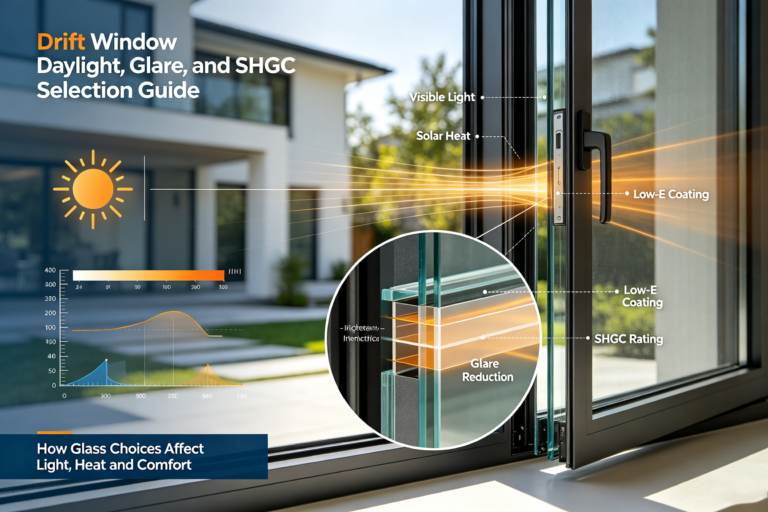
Laminated glass can also incorporate other features, and an insulating unit can include a laminated pane. Your Home’s glazing guidance describes the interlayer construction. For a purchase, have the build-up written out so thermal, acoustic and safety decisions remain identifiable.
Handle damaged glazing as a repair issue
Keep people away from cracked or loose glass and arrange assessment by a glazing professional. Do not test it by pushing on it or continue operating a heavy door to see whether it holds. Provide photos from a safe position, the opening reference and any product records you have.
The custom window fit guide and installation scope guide help assign responsibility for design, fitting and handover.
Frequently asked questions
Is tempered glass safe for an aluminium door?
It may be an appropriate component where the applicable safety requirements and system design call for it. Have the exact product, location and installation verified. The frame material alone does not determine whether the glazing choice is suitable.
Is laminated glass always safer?
There is no useful universal ranking. Retention, impact behaviour, load resistance and the consequences of breakage must be considered for the location. Ask the designer which performance requirement is being met and what evidence supports it.
Can I specify a thicker pane to solve every concern?
No. Thickness does not replace the correct glass type, supports, retention or hardware. A heavier pane can introduce other requirements. Approve the complete designed assembly rather than treating thickness as a general safety upgrade.