2026-09-19
Double glazing uses separated panes in a sealed insulating unit; single glazing uses one pane. Double glazing can improve thermal insulation, but the frame, coating, spacer and installation still affect the result. Decide whether the extra cost addresses your room’s problem before choosing one specification for the whole house.
The phrase “better glass” is too vague for an order. A homeowner may mean a cooler living room, less traffic noise, safer low-level glazing or less condensation. Write those requirements separately so a supplier does not answer a noise problem with a thermal upgrade alone.
Read the complete glass build-up
Ask for the pane types, cavity, spacer, coatings and any laminate to be listed. The Department of Energy’s glazing overview distinguishes insulating units from coatings and other features. A Low-E coating or laminated pane can be part of a double-glazed assembly, so these are not necessarily competing choices.
| Goal | What to compare | What the label alone cannot tell you |
|---|---|---|
| Thermal comfort | Whole-window U-factor and solar gain | How the unit performs in this room |
| Noise reduction | Relevant whole-window acoustic evidence | The effect of vents and surrounding walls |
| Impact safety | Specified safety glass and retention | Whether the location’s requirements are met |
| Daylight | Visible transmittance and sample appearance | Glare from a particular direction |
| Budget | Complete installed alternatives | The cost of frame or hardware changes |
Should every room have the same glazing?
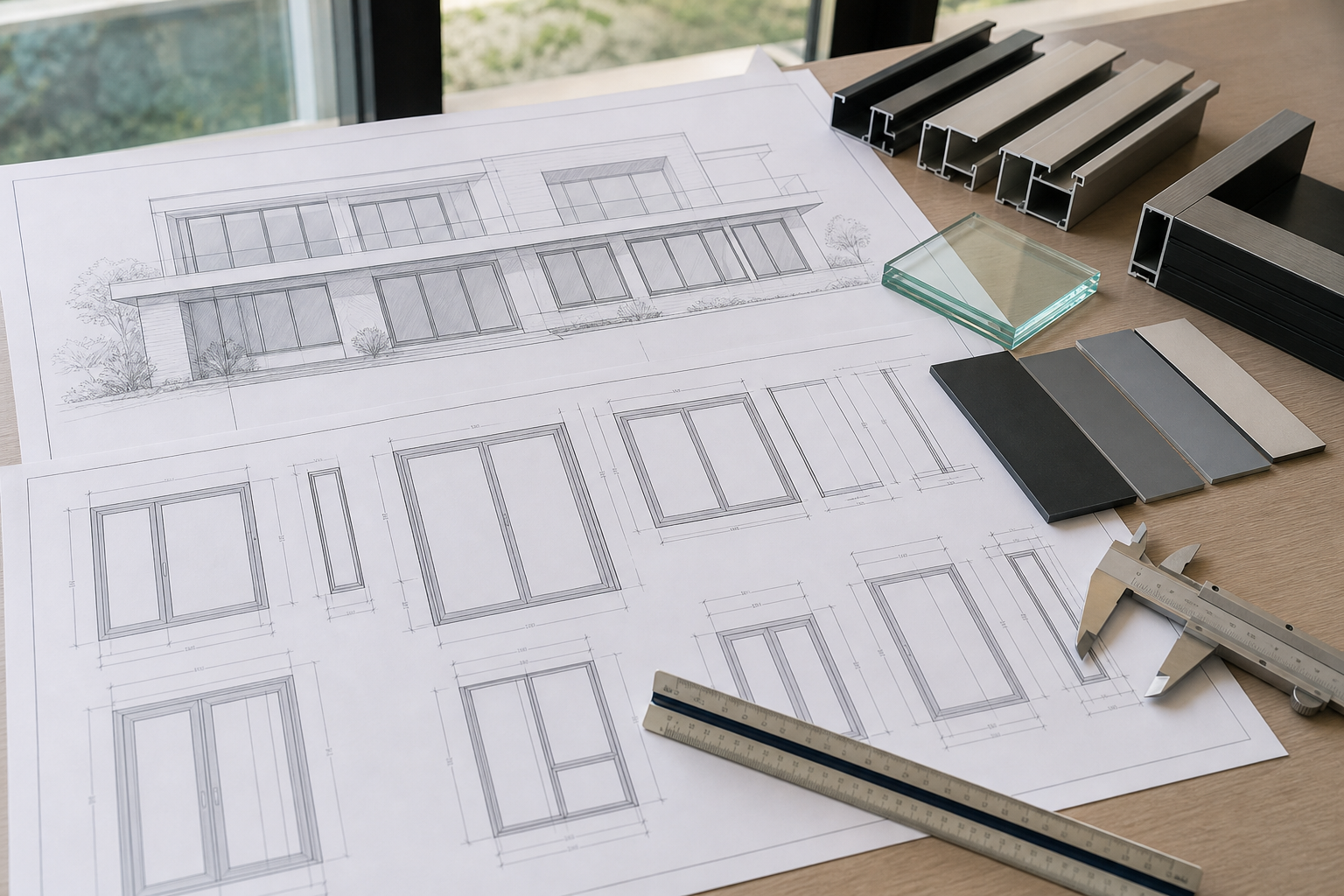
Using one specification can simplify procurement, but it is not always the best fit. Map sun exposure, noise, room use and access. Then ask whether different glass options within a coordinated frame system are justified. Keep any change clearly marked by opening number.
For example, a noisy bedroom and a shaded utility room may justify different priorities. That is a planning example, not a promise that either needs a particular product. Have the designer reconcile the room requirements with the applicable building rules before the supplier finalises the schedule.
Compare the upgrade cost fairly
Request a base option and an upgraded option for the same sizes, installation scope and finish. Include any heavier hardware, frame changes, delivery and replacement access. Ask whether the quoted warranty distinguishes the insulating-glass seal from the frame and hardware.
The window cost guide helps separate those items. There is no universal extra percentage or payback period established for your project. The useful answer is an actual price difference alongside a defined benefit and supporting specification.
Frequently asked questions
Can I choose the glass type myself?
You can state preferences and compare options, but the supplier and designer need to verify compatibility, structural requirements and safety. Do not order a thickness or build-up solely from an online comparison if the frame and application have not been checked.
Can an existing single-glazed frame take double glazing?
Only if the system is suitable for the thickness, weight, retention and drainage requirements. Ask for a survey and written confirmation. Changing glass may require more than replacing beads, and some existing frames will not be appropriate.
What belongs in the final schedule?
List each opening, its glass build-up, frame series and performance requirements. Use the drawing quotation checklist to identify assumptions before approval. Keep the accepted schedule with the warranty and installation documents.