2026-09-20
Improve window security by checking the complete opening: frame condition, closing hardware, locks, glass retention and accessible routes to the window. No aluminium frame or glass type is burglar-proof. Prioritise usable, verified measures and keep any required escape route functional.
Begin with how the window is used. A sophisticated lock provides little practical benefit if the sash is routinely left open or will not latch properly. Ask everyone who uses the room to demonstrate normal opening and locking before selecting additional hardware.
Inspect the existing opening
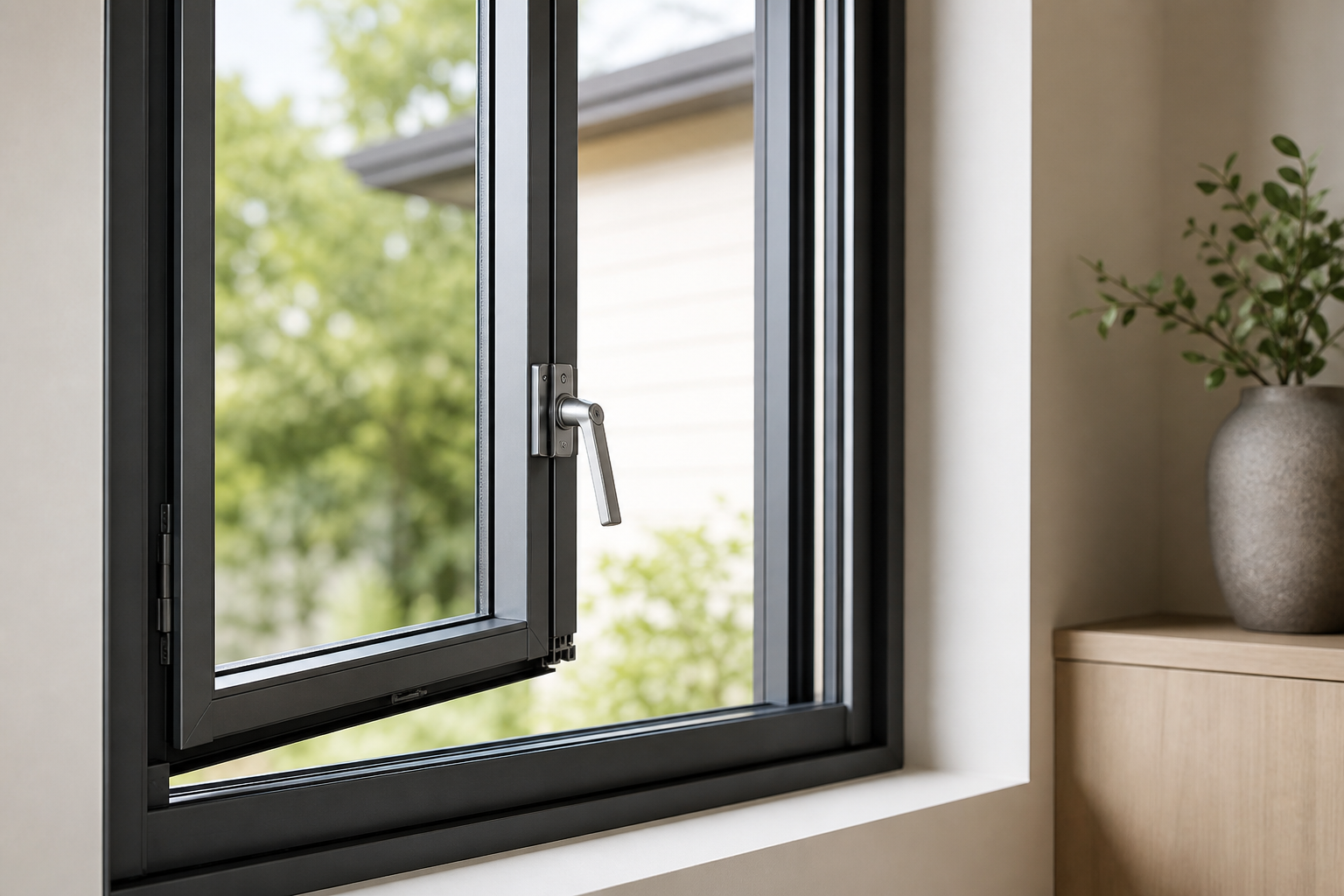
Check from safe positions whether the sash closes squarely, the handle reaches its normal locked position and the frame or hardware is visibly loose or damaged. Record accessible windows beside flat roofs, balconies or external structures. Do not test security by forcing the sash or striking glass.
Secured by Design’s window guidance highlights the importance of actually using locks and considering reachable windows. Its UK advice provides useful principles; the project designer or local professional should resolve any location-specific safety requirements.
Compare systems, not lock counts
| Component | Question for the supplier |
|---|---|
| Frame and fixings | How is the assembly retained in the building? |
| Locking hardware | Does the specified hardware match the tested system? |
| Glazing retention | How is the glass held and what performance is documented? |
| Opening restrictor | What is its intended purpose and approved operation? |
| Service access | Can damaged components be replaced without improvisation? |
More locking points do not establish the resistance of an entire window. Ask for relevant forced-entry evidence, its scope and the configuration covered. A generic glass certificate or photograph of a lock does not answer how the installed assembly performs.
Keep safety and security coordinated
Safety glass, burglary resistance and child fall protection are separate design questions. An insect screen should not be treated as a security barrier or fall guard. If a window forms part of an escape arrangement, have the proposed locks, restrictors or grilles checked before installation.
Do not drill a frame to fit an improvised lock without system approval. It may interfere with glazing, drainage or existing hardware. For a faulty window, restore proper operation through a qualified repair before assuming that an added lock is the right solution.
Make a room-by-room action list
Record the window mark, accessibility, current defect, proposed action and person responsible. Separate repairs needed now from optional upgrades. Ask for clear handover instructions and ensure household members understand normal locking and any emergency release.
The custom window brief can capture the security requirements for a replacement. Use the installation responsibility checklist to identify who verifies the finished operation.
Frequently asked questions
Will laminated glass prevent a break-in?
Do not treat the word laminated as a guarantee. Glass build-up, retention, frame and hardware all matter. If resistance to attack is a requirement, request relevant evidence for the proposed assembly and have the installer confirm the matching installation detail.
Should I add bars to every window?
Only after considering access, appearance, maintenance and any required escape route. A local professional should review the arrangement. Adding a barrier without checking how people can leave the room may create a different problem.
What should be repaired first?
Prioritise windows that cannot close or latch normally, loose hardware and damaged components. Arrange professional assessment where the frame or glass is compromised. Then compare any additional security measures against a properly functioning baseline.