 2026-08-26
Double casement windows place two side-hinged sashes in one opening, but the center condition can be either a fixed mullion or a French-style meeting pair. Choose between them by checking the desired clear view, operating sequence, screen strategy, performance documentation, and service access—not by appearance alone.
Key takeaways
- A paired casement with a fixed center mullion is not the same configuration as a true French casement pair.
- A French pair can create a wider unobstructed opening, but it needs coordinated active/passive sashes and meeting hardware.
- Request ratings and drawings for the exact assembled configuration.
- Measure exterior swing clearance and interior screen or shade conflicts before ordering.
Search results often use “double casement” and “French casement” interchangeably. That shorthand hides an important design decision. Two separate casement units can be factory-mulled around a fixed vertical member; one factory-built double unit can also retain a fixed mullion. A French pair usually allows the center meeting member to move with a sash so both sashes can open without a permanent post in the opening.
Table of contents
- What double casement windows are
- Fixed mullion vs. French pair
- Performance and operation
- How to specify the layout
- Frequently asked questions
What are double casement windows?
A double casement layout has two side-hinged sashes arranged beside each other. Each sash is normally hinged at an outer jamb and opens toward the center, although actual handing and swing depend on the product. The pair may be one manufactured unit, two joined units, or a French configuration with no fixed center post when fully open.
The term does not tell you whether both sashes operate independently. One lite may be fixed, one may be the primary operating sash, or the sashes may require a specific sequence. It also does not establish size limits or egress compliance. Start with the manufacturer’s elevation and hardware schedule, then confirm field conditions. For a broader overview of adjacent layouts, see the casement window styles and layout guide.
When a quote says “2-wide casement,” ask whether it means two separate units mulled together or a single frame containing two sashes. That choice affects sightlines, installation joints, drainage, frame depth, screens, and the performance record attached to the product.
Fixed mullion or French meeting pair?
| Decision point | Fixed center mullion | French meeting pair |
|---|---|---|
| Center when open | Vertical member remains | No permanent center post in a true French configuration |
| Operating sequence | Sashes may operate independently | Often uses active and passive sashes in sequence |
| Weather seal | Each sash closes against a fixed frame member | Sashes meet at a coordinated astragal or meeting stile |
| Screen planning | May use separate interior screens | May need one coordinated screen or product-specific solution |
| Service | Individual operators and fixed center are straightforward to identify | Meeting locks, shoot bolts, and sequence need clear instructions |
| Open view | Center member remains visible | Wider uninterrupted opening when both sashes are open |
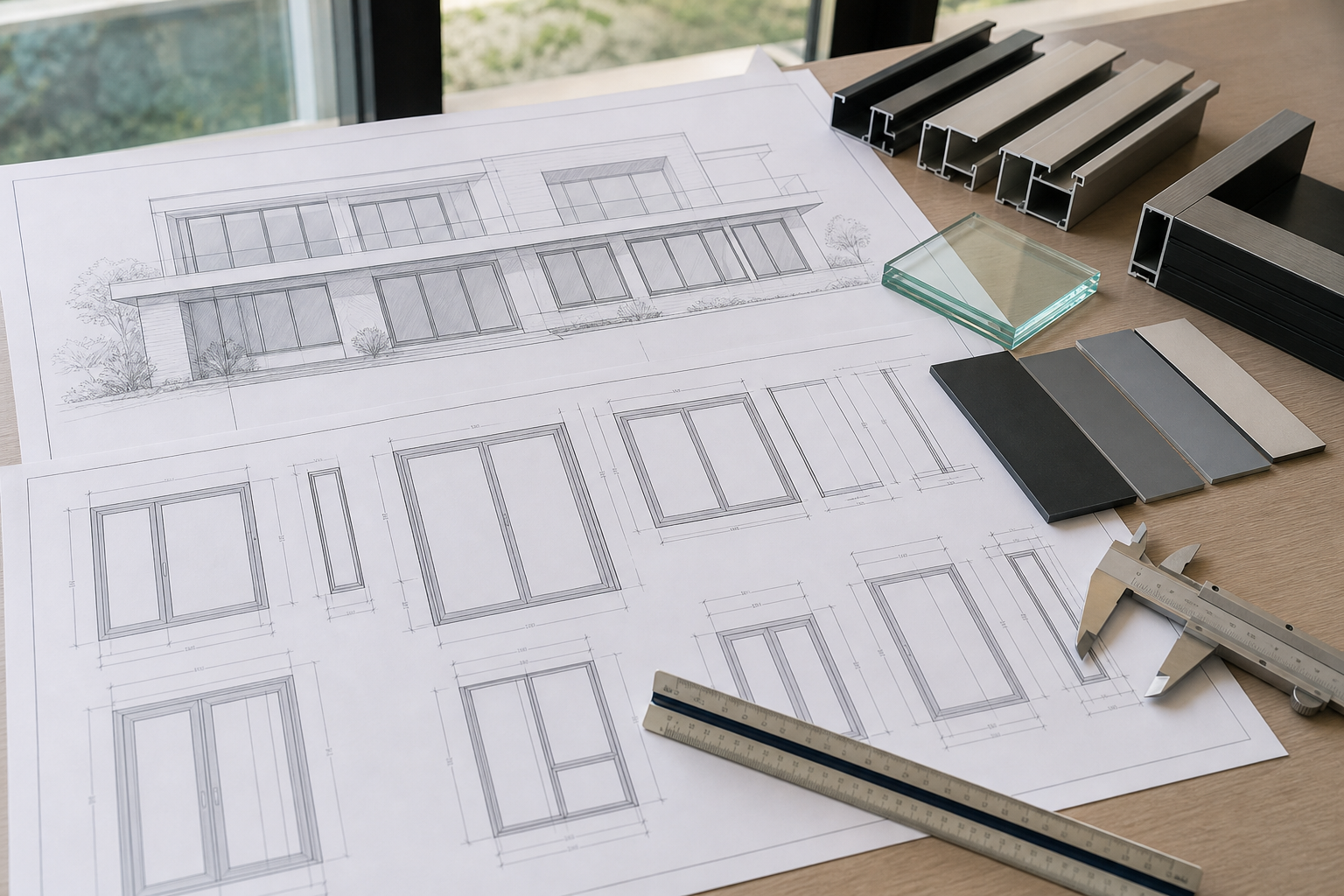
A fixed mullion is often the clearer choice when independent operation and a defined central frame line matter more than the widest possible opening. A French pair is attractive when the design priority is a post-free opening, but the project team must understand which sash opens first and how the meeting edges lock.
Do not treat one option as universally better. Sightline, structural design, drainage, accessibility, wind exposure, insect-screen use, and maintenance all affect the decision. The right comparison is between documented product configurations at the required size, not a generic diagram.
Operation, screens, and performance documentation
Each operable sash needs enough exterior or interior swing space for normal use and cleaning. Check roof overhangs, shrubs, walkways, counters, faucets, handles, shades, and furniture. The inward-versus-outward casement guide explains why swing direction changes both clearance and screen placement.
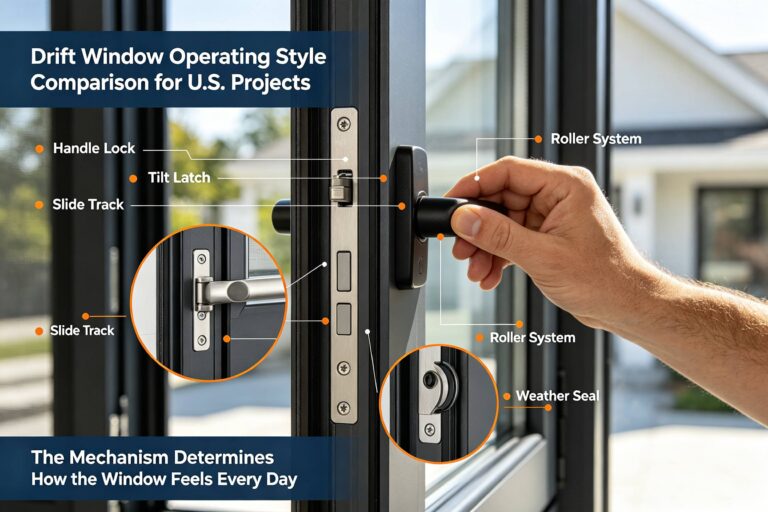
For a crank-operated pair, verify operator reach and handle projection. For push-out or in-swing designs, verify latches, stays, and restraint hardware. A French pair may have an active sash with the primary handle and a passive sash released by secondary hardware. The opening sequence should be visible in the owner instructions and easy to demonstrate at handover.
Energy and air-performance comparisons must use certified values for the complete unit. The National Fenestration Rating Council explains the ratings on its window label, while ENERGY STAR product criteria state that qualifying windows are independently tested, certified, and verified through NFRC procedures. A glass value or frame sample alone is not the same as the rated assembled window.
Ask whether the rating covers the exact double configuration, size, glazing, frame, and operator. If separate units are mulled, request the tested or engineered mulling detail. If the center condition is French, request the meeting-stile and locking detail. Avoid claiming that one layout is tighter or stronger unless the cited product data supports the comparison.
How to specify double casement windows
- Define the opening goal. Decide whether a post-free opening is essential or a fixed center member is acceptable.
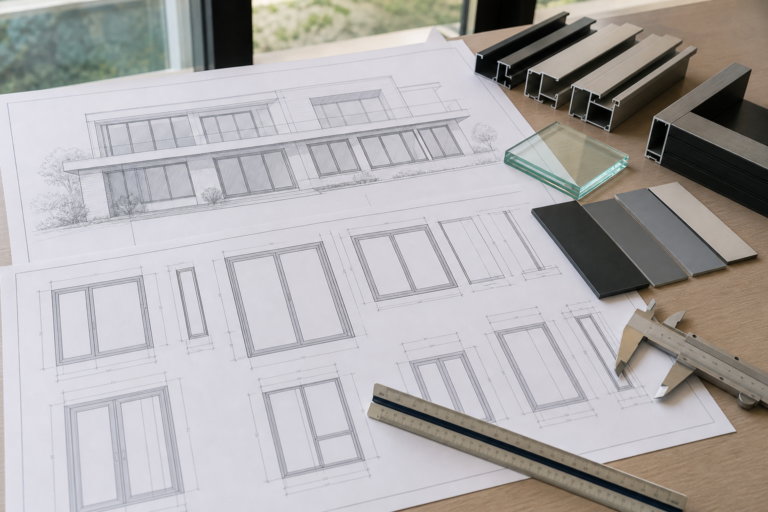
- Draw the elevation. Mark every operating sash, hinge side, swing direction, fixed lite, and center condition.
- Name the configuration. Write “fixed mullion,” “factory-mulled pair,” or “French meeting pair” instead of only “double casement.”
- Confirm the sequence. Identify the active and passive sash where applicable.
- Coordinate screens and shades. Show where they sit and how they are removed.
- Check clearances. Fully open both sashes in the site plan or mock-up.
- Request product evidence. Match the quote, shop drawing, labels, and installation instructions to the configuration.
- Field-verify the opening. Confirm width, height, depth, squareness, substrate, and finish interfaces before release.
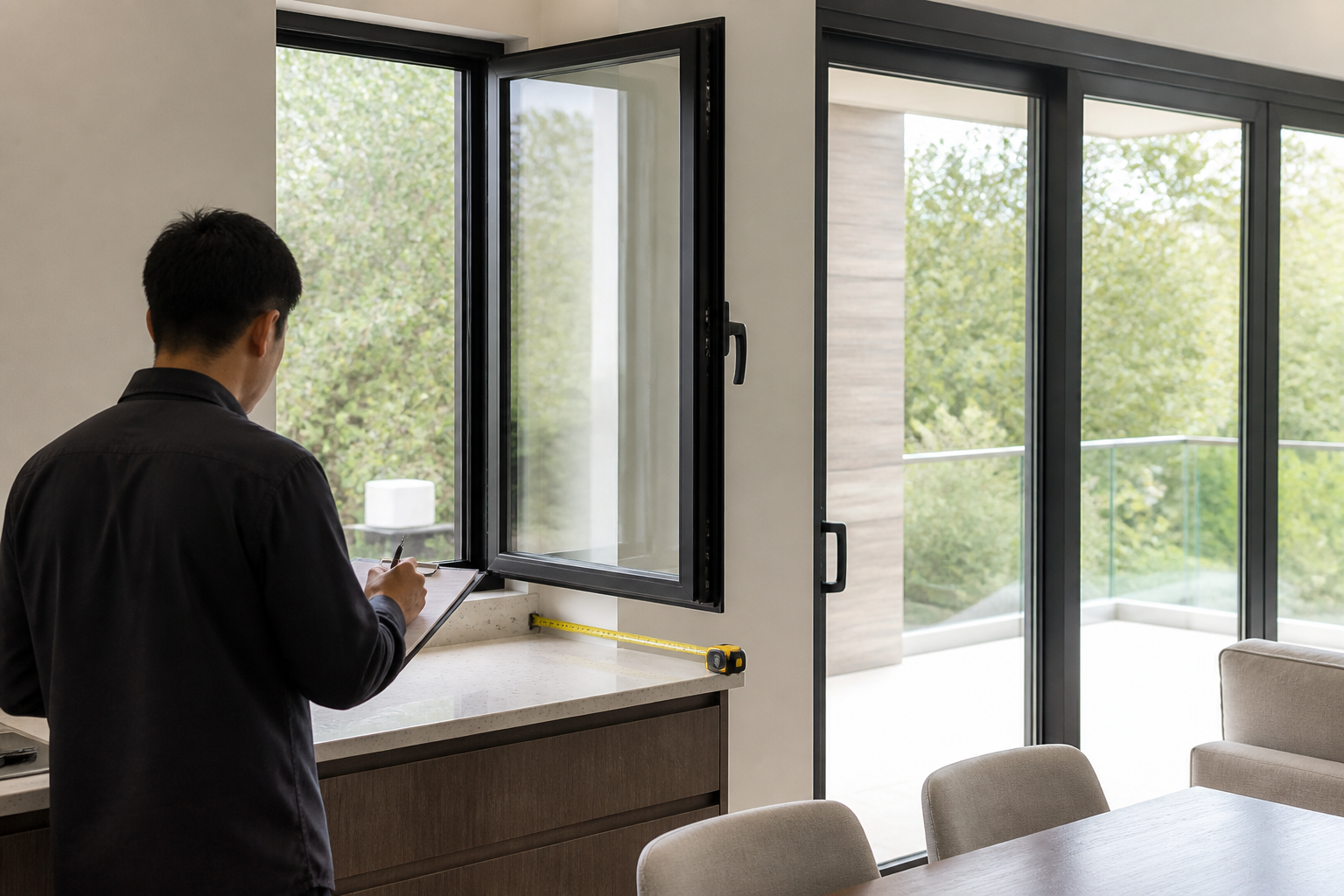
The custom aluminum project brief can organize sizes, finishes, glazing, hardware, and performance questions. Pair it with the casement handing guide so the supplier and installer use the same viewing side.
For climate-related energy selection, ENERGY STAR advises buyers to identify their climate zone and keep the ENERGY STAR and NFRC labels. Apply that evidence to the exact configuration instead of assuming all paired sashes share one rating.
Frequently asked questions
Are double casement windows the same as French casement windows?
Not always. Both have two side-hinged sashes, but a double casement may retain a fixed center mullion. A true French pair opens without a permanent center post and normally uses coordinated meeting hardware.
Can both sashes open independently?
It depends on the product. Fixed-mullion pairs may allow independent operation. French pairs often use an active sash that opens first and a passive sash released second. Confirm the manufacturer’s sequence.
Do double casements need two screens?
Some fixed-mullion layouts use separate interior screens, while French pairs may use a larger or product-specific screen arrangement. Screen type, removal path, and conflicts should be confirmed on the shop drawing.
Which configuration has better energy performance?
No universal answer is reliable. Compare NFRC-certified values for the exact complete units, sizes, glazing, frame, and center condition. Do not infer performance from the number of sashes alone.
Conclusion
Double casement windows are a layout category, not a complete specification. Decide whether the center stays fixed or opens with a French pair, then verify operating sequence, screens, clearances, ratings, mulling, and installation details. A labeled elevation and configuration-specific documentation turn an ambiguous phrase into an orderable window.