 2026-09-01
Direct answer: Energy efficient casement windows should be verified at delivery by matching each unit’s permanent identity, temporary NFRC label, glass and frame configuration, opening mark, and ordered options to the approved schedule. Record the match before an existing window is removed, because a family name or an efficiency claim does not prove that the delivered unit is the one specified.
Energy Efficient Casement Windows Need Delivery Evidence
Selection and verification are separate jobs. During selection, a buyer compares climate, orientation, comfort goals, frame and glass options, and whole-window ratings. Forge Windows’ casement window energy selection guide covers that earlier decision. Delivery verification asks a narrower question: did the exact unit that arrived match the approved choice for this opening?
The distinction matters because one product series can include several sizes, operator types, glass packages, grids, finishes, and hardware choices. A rating associated with one configuration should not be transferred to another without supporting documentation. The ENERGY STAR residential windows guidance directs buyers to consider climate-zone qualification and retain ENERGY STAR and NFRC labels. The NFRC Certified Products Directory provides a way to search certified product records. Both are verification tools, but neither replaces matching the record to the delivered opening.
A good delivery check is not a claim that a field inspector can certify laboratory performance. It is a document-control step. The inspector confirms identity and visible configuration, records the label, flags inconsistencies, and sends technical questions to the responsible supplier, manufacturer, designer, or energy professional.

Build One Record From Quote to Opening
Start with an opening schedule before requesting a final quote. Give each location a stable mark such as W-101, W-102, or BED-2-W1. The same mark should appear on the plan, elevation, window schedule, approved shop drawing, order acknowledgement, package label, delivery log, and installation checklist. If a supplier uses a separate line-item number, retain both identifiers in one cross-reference column.
| Field | What to record | Why it matters at delivery |
|---|---|---|
| Opening identity | Room, elevation, mark, quantity | Stops similar units from being placed in the wrong opening |
| Unit geometry | Overall size, sash count, handing, opening direction | Connects the physical window to the approved drawing |
| Frame and finish | Material, system, interior and exterior color | Exposes visible substitutions or finish errors |
| Glass package | Pane count, coating designation, tint, safety glass note, grids | Links the delivered glass to the order description |
| Performance record | NFRC product code, U-factor, SHGC, VT when specified | Preserves the configuration-specific evidence |
| Accessories | Screen, operator, lock, limiter, sensor preparation | Finds missing or incompatible options before installation |
Do not replace this table with a folder of unlabeled photographs. Each image should show the opening mark and the relevant label or feature. File names can use the mark and inspection date. The result is a searchable record that can follow a warranty or service question years later.
Read the Rating Evidence Without Overstating It
The U.S. Department of Energy explains that fenestration energy performance depends on the complete configuration; its guide to purchasing energy-efficient residential windows describes U-factor, solar heat gain, panes, coatings, gas fills, frames, and certification resources. For delivery review, the key phrase is whole product. A glass-only value cannot stand in for heat transfer through the sash and frame.
Read the label into the opening record rather than merely checking that a label exists. Capture the manufacturer or responsible product name, product code, operator type if shown, U-factor, solar heat gain coefficient, visible transmittance when specified, and any air-leakage entry. Compare those fields with the approved submittal and certification record. If an approved schedule gives only a broad marketing description, pause and request the missing identity instead of guessing.
U-factor describes heat transfer through the product; lower values indicate less heat transfer under the rating method. SHGC describes the fraction of incident solar heat admitted through the product; the suitable balance depends on climate, orientation, shading, and building goals. Visible transmittance concerns visible light. These ratings describe different questions, so one should not be substituted for another.
Also check the label’s scope. A certification record may list ranges or options. Ask whether the exact size, glass, spacer, frame, sash, and operator combination is represented. If the answer requires technical interpretation, document the question and the source of the written answer.
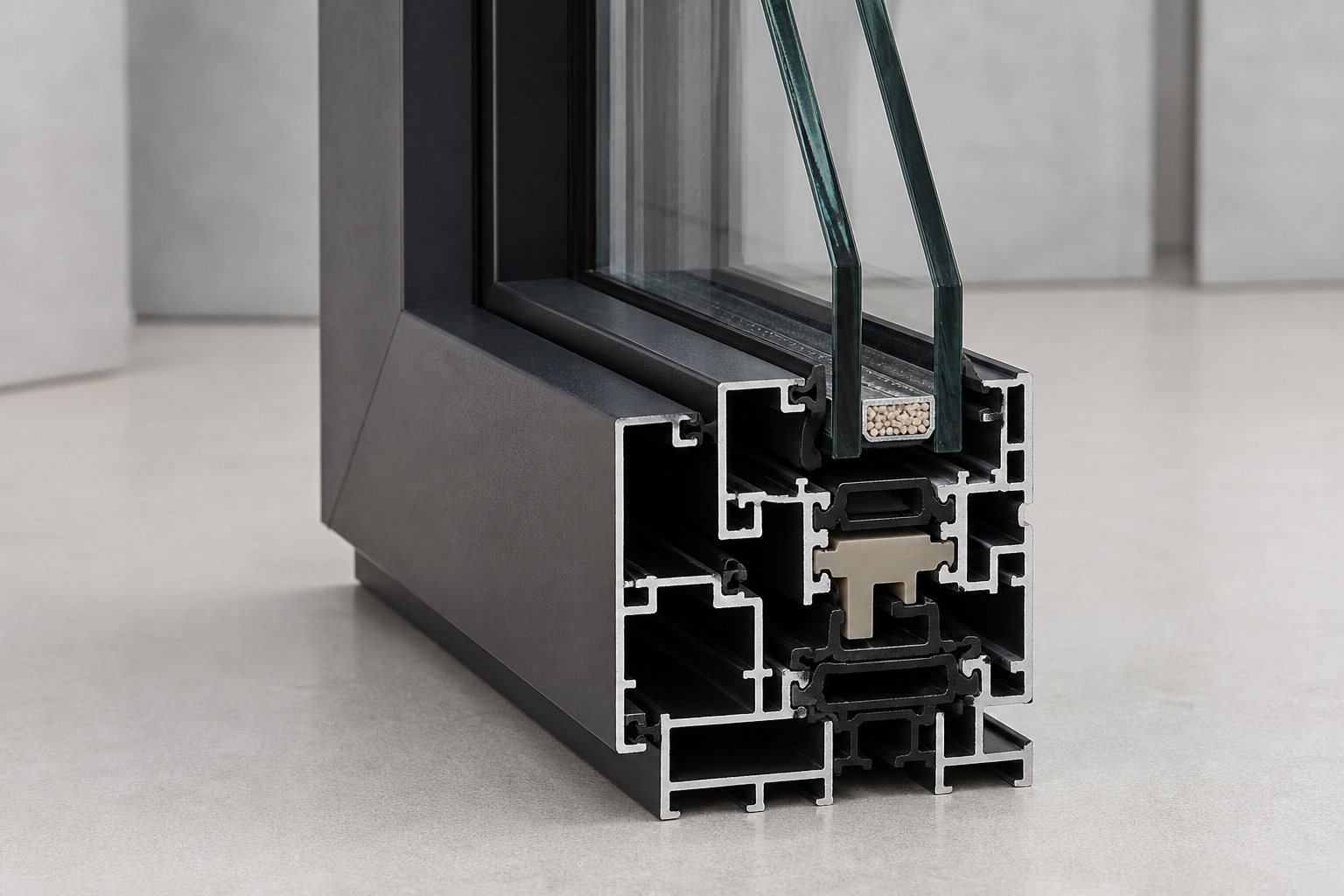
A Seven-Step Delivery Inspection
- Stage the paperwork. Bring the approved schedule, final order acknowledgement, approved drawings, finish samples, and discrepancy form to the unloading area.
- Protect the shipment. Follow supplier handling instructions. Note visible package damage before moving or unwrapping the unit.
- Match identity first. Find the package or unit identifier and connect it to one opening mark. Quarantine unidentified units rather than assigning them by appearance.
- Capture labels. Photograph the complete NFRC and ENERGY STAR labels when applicable, plus any glass, safety, or product marks required by the project.
- Check visible configuration. Confirm dimensions within the agreed inspection method, handing, hinge side, frame and finish, glass appearance, grid pattern, operator, locks, screens, and ordered accessories.
- Record condition. Note frame distortion, broken glass, damaged finish, missing parts, wet packaging, or other visible issues. Do not operate a unit in a way the handling instructions prohibit.
- Resolve before removal. Mark each unit accepted, accepted with an open item, or held. Do not remove the existing window for a held replacement unless the project team has a safe written plan.
For replacement work, the casement replacement measurement guide can help keep opening dimensions and scope tied to the delivery record. Where lead-based paint may be disturbed in a pre-1978 home, use qualified contractors and applicable lead-safe procedures; delivery verification does not replace safety planning.
Carry Verification Through Installation and Closeout
An accurate shipment can still underperform if the opening, support, flashing, air seal, drainage path, or frame alignment is wrong. Give the installer the opening-specific record, not a generic product brochure. Confirm the rough opening and substrate, required sill support, attachment locations, perimeter joint, flashing sequence, exterior drainage, and interior air seal against the project documents and manufacturer instructions.
After installation, operate each casement through its normal cycle. The sash should open, stay within its intended travel, close, and lock without forcing. Check that weather seals make consistent contact, hardware is secure, drainage paths remain open, screens fit, and curtains or nearby fixtures do not block operation. Forge Windows’ operator and lock troubleshooting guide can help describe a symptom, but a new-unit defect or installation discrepancy should follow the project’s written correction path.
Closeout should preserve the approved schedule, final order, label photographs, installed photographs, discrepancy resolutions, cleaning and operation instructions, warranty documents, and service contact. Record any approved substitution by opening mark. This creates a defensible chain from specification to installed unit without claiming that a visual inspection reproduced a laboratory test.
Frequently Asked Questions
Does an ENERGY STAR label replace the NFRC label?
No. ENERGY STAR indicates qualification under program criteria for applicable climate zones, while the NFRC label reports rated product values used to compare configurations. Keep both when they apply and match the exact unit to the approved order.
Should every delivered casement window be photographed?
Yes when practical, especially labels, opening marks, condition, and ordered features. For a large project, use a repeatable naming convention and checklist so photographs remain connected to the correct opening rather than becoming an unsearchable image folder.
What if the label value differs from the approved schedule?
Hold the affected unit and request a written reconciliation from the responsible supplier or design professional. Do not assume the difference is harmless, alter the record, or remove an existing window until the discrepancy has an approved resolution.
Can a delivery inspection prove installed energy performance?
No. It verifies identity, visible configuration, documentation, and condition. Installed performance also depends on the opening and installation. Laboratory ratings and field tests have defined methods and scopes that a visual delivery check does not reproduce.
Conclusion: Keep the Evidence With the Opening
Energy efficient casement windows become verifiable when the approved configuration, rating record, delivered label, opening mark, and installation closeout all agree. Build the record before ordering, check it before removal begins, and retain it after installation. For a project-specific review, send Forge Windows the opening schedule, climate and orientation notes, requested ratings, configuration, and unresolved documentation questions.