2026-09-18
Aluminium windows can reduce outside noise, but the frame material does not make a window soundproof. Results depend on the glass, seals, opening type, installation and other sound paths. Ask for acoustic evidence for the complete window and describe the noise you want to reduce before selecting the glazing.
A bedroom beside a busy road and a study facing voices in a courtyard are different briefs. Record when the noise is worst, whether it changes when the window closes and whether vents or gaps remain open. That gives an acoustic specialist a better starting point than a request for the thickest glass.
Find the weak path first
Look for damaged weather seals, a sash that will not latch normally and obvious gaps at the frame perimeter. Do not close ventilation openings indiscriminately. If noise comes through the roof, wall or a ventilation route, replacing glass alone may disappoint.
Your Home’s noise-control guidance recommends treating the building envelope and ventilation together. For your project, ask what can be improved at the window and what will remain outside the window contractor’s scope.
Double glazing and acoustic laminate can work together
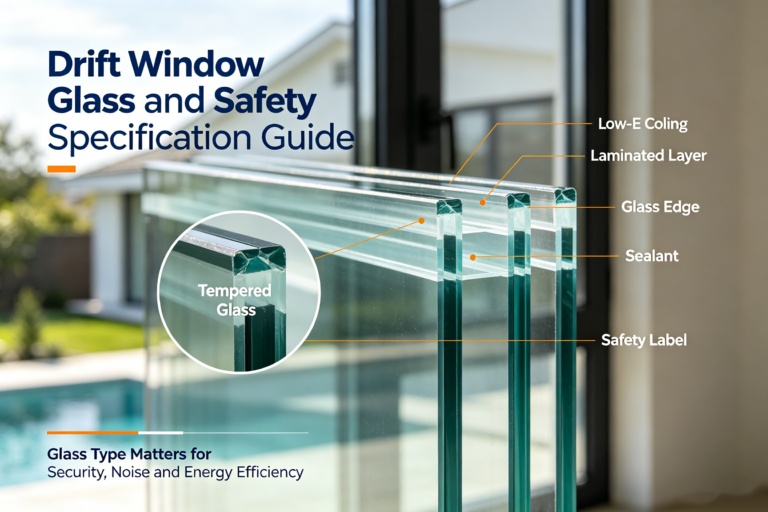
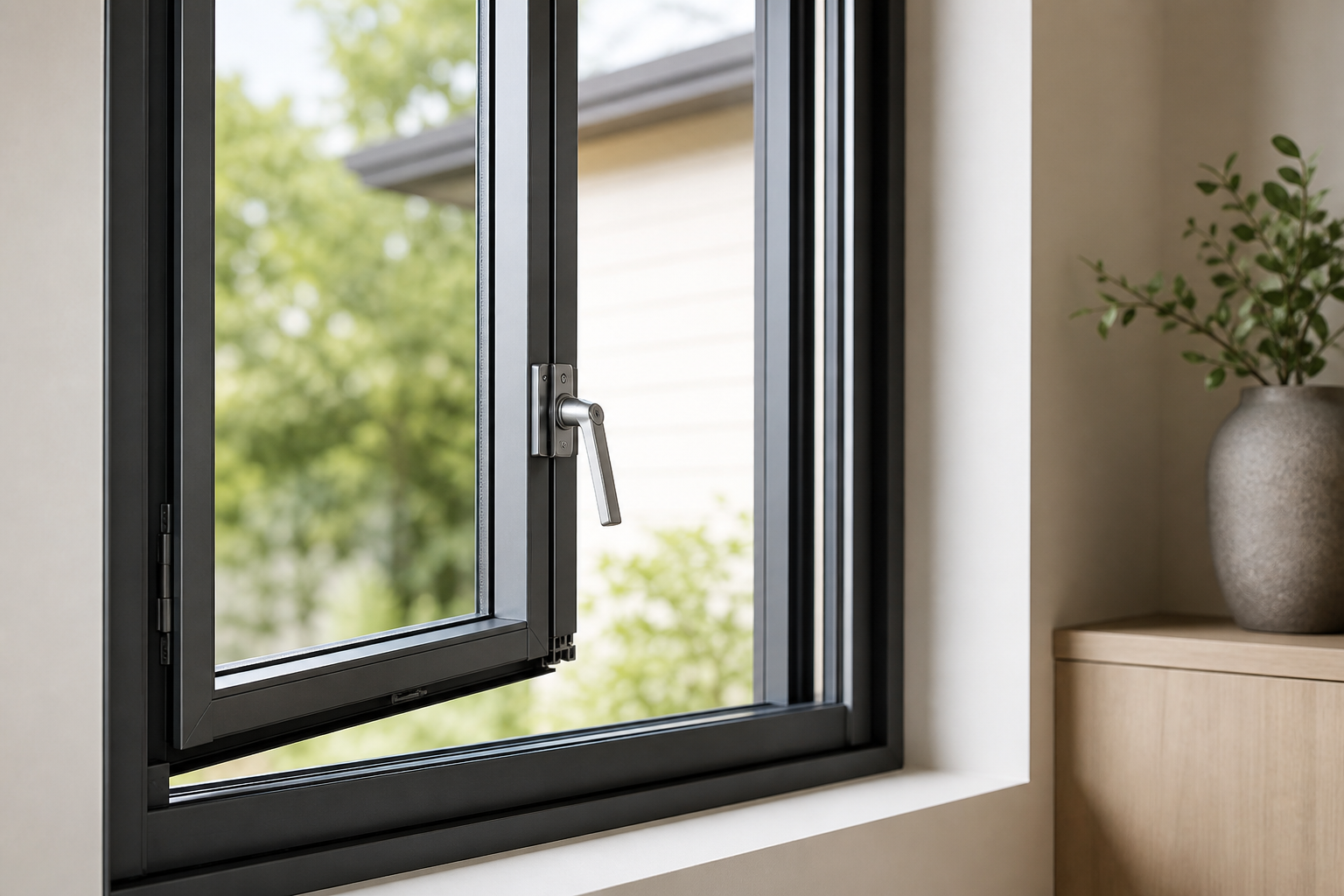
Double glazing and laminated glass describe different aspects of an assembly. An insulating unit can include a laminated pane. Acoustic laminate uses an interlayer designed for sound control; it should not be assumed equivalent to every safety laminate. Pilkington’s acoustic laminated glass information illustrates that distinction without establishing the performance of another manufacturer’s window.
| Proposal | Evidence to request | Question to ask |
|---|---|---|
| Replacement seals or adjustment | Inspection findings | Is unwanted air passing through damaged components? |
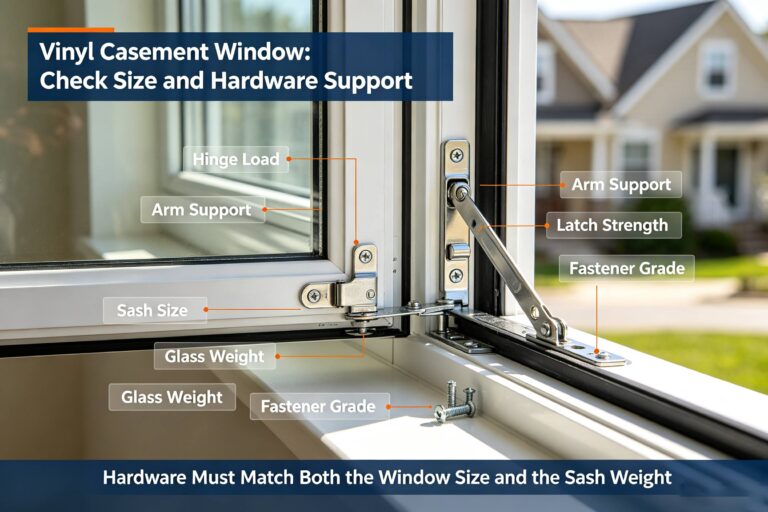
| New glass in the existing frame | Glazing and hardware compatibility | Can the frame carry and retain this build-up? |
| Secondary glazing | Complete installed design | How are access, ventilation and cleaning maintained? |
| New acoustic window | Whole-assembly acoustic test | Does the result cover this size and operation? |
Ask for evidence that fits traffic noise
A single headline acoustic number can hide differences across sound frequencies. Ask the specialist to interpret the test for your actual noise source and explain whether the report covers glass only or a complete window. Do not translate a laboratory rating into a promised bedroom noise level without considering the room and surrounding construction.
The useful commercial brief includes room use, opening sizes, noise observations, ventilation needs and the desired outcome. Combine it with the window measurement list so quotes refer to the same openings.
Frequently asked questions
Can I make the house quieter without replacing the wall?
Possibly. Repairing failed seals, improving compatible glazing or adding a suitable secondary system may help where windows are the weak path. Get the cause assessed first; noise entering elsewhere may limit the benefit of work on the opening.
Is aluminium or uPVC better for soundproofing?
Neither material guarantees the result. Compare complete systems with equivalent operation and relevant acoustic evidence. Seals, glass and installation deserve particular attention. A well-specified assembly is more useful than a material-only ranking.
Will acoustic glazing work with the window open?
An open path admits sound. Plan how fresh air will be provided when quiet is needed, especially overnight. Explain that requirement in the custom window brief and have ventilation and acoustic choices reviewed together.