 2026-08-07
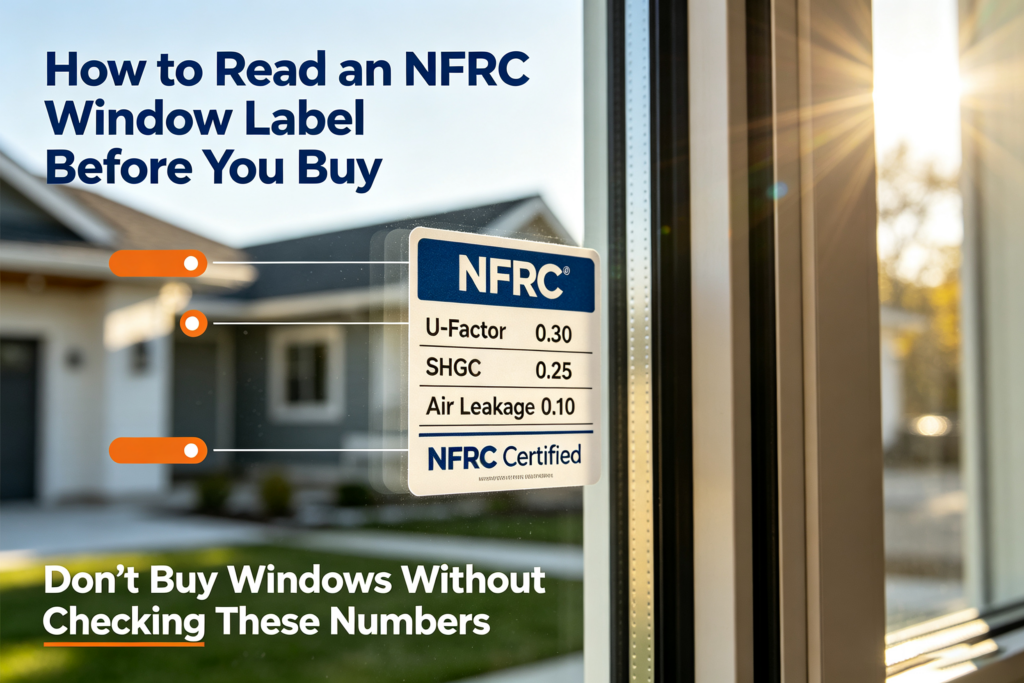
An NFRC window label gives U.S. buyers a consistent way to compare the energy performance of a complete window, door, or skylight. Start with U-factor and solar heat gain coefficient (SHGC), then check visible transmittance, air leakage, and condensation information when available. The best combination depends on climate, orientation, glass area, and the project goal.
Table of contents
- What an NFRC label measures
- How to read the five main ratings
- How climate and orientation change the choice
- What to check on aluminum windows
- Buyer checklist
What Is an NFRC Window Label?
An NFRC window label reports independently determined performance values for a complete fenestration product. The National Fenestration Rating Council residential certification program evaluates U-factor, SHGC, visible transmittance, air leakage, and condensation index. These standardized values let buyers compare products on a common basis.
“Complete product” matters. A glass unit may have a good center-of-glass value, but the frame, spacer, sash, seals, and overall size also affect the installed opening. Ask for the rating that applies to the exact product line and configuration being quoted.
How to Read the Five Main NFRC Ratings
| Rating | What it describes | How to interpret it |
|---|---|---|
| U-factor | Heat transfer through the complete product | Lower values mean less heat transfer |
| SHGC | Solar heat admitted through the product | Lower limits solar gain; higher allows more |
| Visible transmittance | Visible daylight passing through | Higher usually means more daylight |
| Air leakage | Airflow through the tested assembly | Lower means less measured leakage |
| Condensation index | Comparative resistance to interior condensation | Higher indicates better resistance under test conditions |
U-factor is more than a glass number
U-factor is often the first value buyers examine in heating-dominated areas, but it also affects cooling loads. Compare the whole-window value for products of the same type and similar size. A fixed panel and an operable casement do not seal or frame the opening in exactly the same way.
SHGC should match sun exposure
SHGC is not a simple “lower is always better” score. A lower SHGC can help limit unwanted summer heat, especially on east- and west-facing glass. In a cold climate, controlled winter solar gain may be useful on a carefully shaded south-facing elevation. The ENERGY STAR windows, doors, and skylights guidance tells buyers to choose products certified for their climate zone.
Visible transmittance balances daylight and glare
Visible transmittance, usually shortened to VT, describes how much visible light passes through the assembly. Large openings can deliver ample daylight even with a moderate VT. Designers should consider room depth, exterior shading, interior finishes, glare, and the total glazed area rather than treating VT as a stand-alone target.
Air leakage affects comfort near the opening
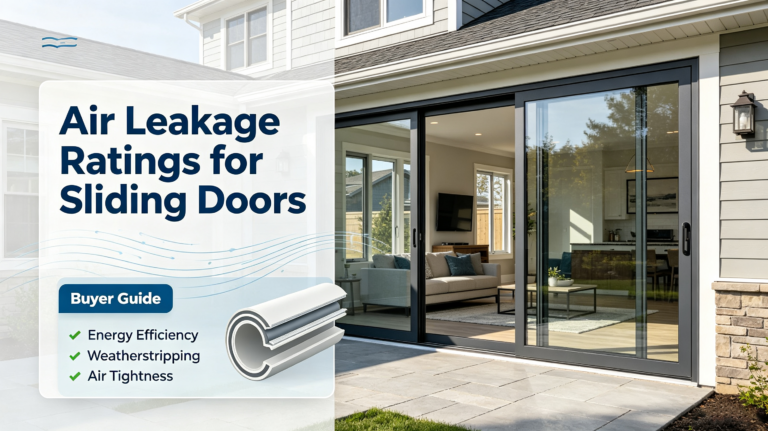
Air leakage measures air moving through the tested product under a defined test method. It does not include gaps caused by poor installation between the frame and wall. A good product rating therefore needs correct flashing, perimeter sealing, alignment, and adjustment on site.
Condensation information needs context
Condensation depends on exterior temperature, indoor temperature, indoor humidity, glass and frame surface temperatures, and airflow near the opening. A comparative rating can support product selection, but it cannot promise that condensation will never occur. Indoor moisture control and installation quality still matter.
How to Use U-Factor and SHGC by Climate and Orientation
Begin with the current ENERGY STAR climate-zone criteria for the project location. Next, review each elevation. A west-facing living room with a large glazed area has different solar exposure from a north-facing bedroom window, even though both are in the same climate zone.
- Confirm the project ZIP code and climate zone. Do not copy a specification from another state.
- Map orientation and shading. Record north, south, east, and west exposures plus nearby buildings, trees, and overhangs.
- Estimate total glass area. Solar gain and daylight depend on the full opening, not one small sample window.
- Compare complete products. Keep product type, size, frame, glass, and operating style as similar as possible.
- Review installation details. The wall connection must support air and water control around the opening.
What to Check on Aluminum Windows
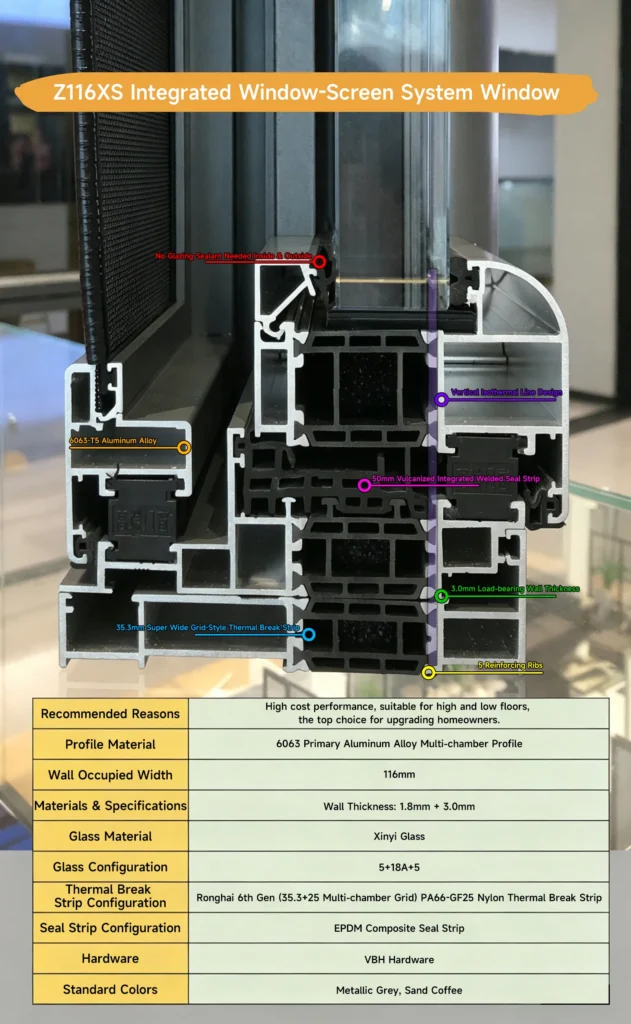
Aluminum frames support narrow sightlines and large glass areas, but metal conducts heat. For projects with demanding thermal goals, ask how the interior and exterior aluminum sections are separated, then confirm the result through the complete-product U-factor instead of relying on the phrase “thermal break” alone.
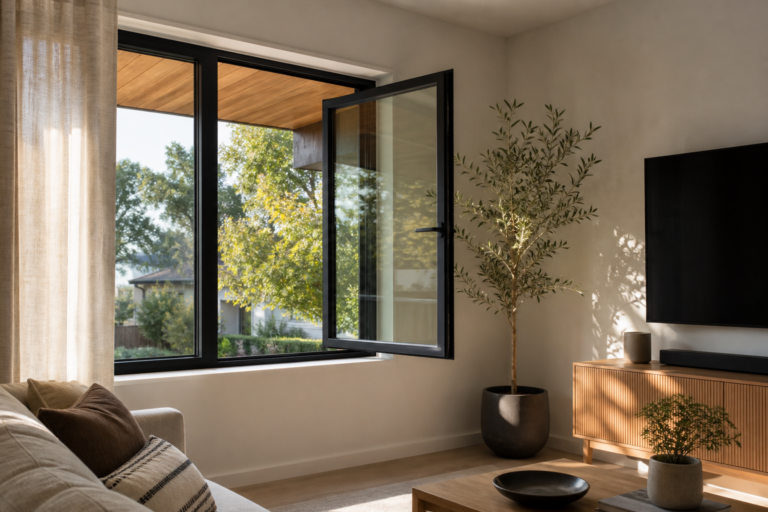
Forge Windows lists a 65 Series thermal-break casement window for projects that need an operable aluminum window. Treat the product page as an application starting point; request the exact performance documentation for the proposed size, glass package, hardware, and configuration before approval.
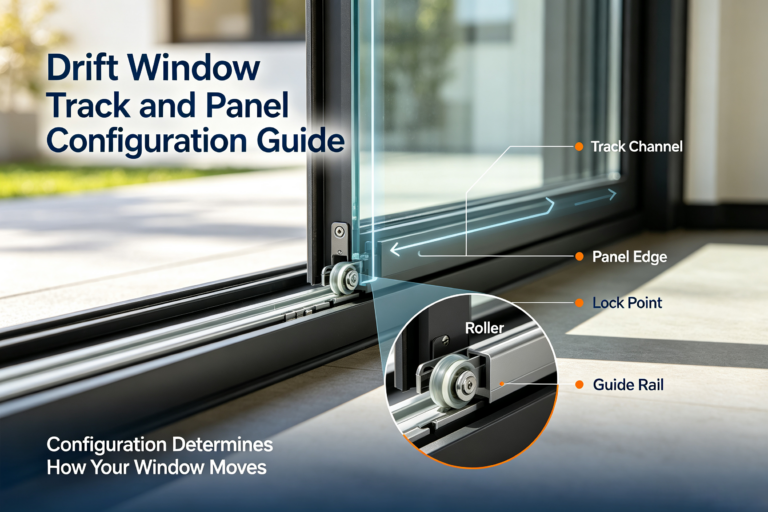
For openings that combine doors and windows, compare the door and window ratings separately. A large 105–161 medium narrow sliding door has different geometry, hardware, seals, and use patterns from a casement window. One label or value should not be assumed to cover a different product type.
NFRC Window Label Buyer Checklist
- Save a copy or photo of the NFRC label for the exact quoted product.
- Verify product type, series, operating style, glass package, spacer, and frame finish.
- Compare whole-product U-factor and SHGC, not only glass data.
- Confirm that the ENERGY STAR climate-zone mark matches the installation address when certification is part of the goal.
- Ask whether air leakage and condensation information is available for the configuration.
- Match opening dimensions and installation details to the approved shop drawings.
- Keep labels, quotations, approvals, and installation instructions in the project file.
Common NFRC Label Mistakes
The most common mistake is choosing the lowest number on the page without asking what it measures. A low SHGC may reduce solar gain, but it may not support a cold-climate passive-solar goal. A low U-factor can be valuable, but it does not describe water resistance, structural capacity, safety glazing, hardware durability, or installation quality.
Another mistake is comparing ratings from unlike products. Keep the comparison close: casement to casement, sliding door to sliding door, and similar sizes to similar sizes. If a supplier changes glass, panel dimensions, or operating style, request updated documentation.
Frequently Asked Questions
Does a lower U-factor always mean a better window?
A lower U-factor means less heat transfer through the rated product, which is useful for many projects. It does not score every performance need. Buyers must still evaluate SHGC, air and water performance, structural requirements, safety glazing, hardware, installation, and the project climate.
What SHGC is best for an aluminum window?
There is no single best SHGC for every aluminum window. The right value depends on climate zone, orientation, shade, glass area, cooling load, heating goals, and local energy requirements. Start with applicable criteria, then coordinate each elevation with the project energy model or design professional.
Is an NFRC label the same as an ENERGY STAR label?
No. NFRC provides standardized product performance ratings and certification. ENERGY STAR uses performance criteria that vary by climate zone and product type. ENERGY STAR states that buyers should look for the correct climate-zone label next to the NFRC label when shopping for qualifying residential products.
Does an NFRC rating include installation quality?
The rating describes the tested or simulated product, not every field condition. Perimeter gaps, poor flashing, frame distortion, missing sealant, and incorrect adjustment can reduce installed performance. Follow the manufacturer’s instructions and coordinate the wall’s water, air, and thermal control layers.
What should I request from an aluminum window supplier?
Request the exact product series, dimensions, glass build-up, frame details, hardware, finish, complete-product ratings, test reports required by the project, installation instructions, shop drawings, warranty terms, and lead time. For a project-specific review, send the opening schedule through the Forge Windows contact page.
Conclusion
An NFRC window label turns several technical claims into values that can be compared on a common basis. Use U-factor and SHGC first, then review daylight, air leakage, condensation information, orientation, and installation details. Before selecting an aluminum system, match the rating to the exact configuration and the U.S. climate zone.
Sources accessed August 7, 2026: National Fenestration Rating Council residential certification; ENERGY STAR residential windows, doors, and skylights.