 2026-08-28
Direct answer: Wood casement windows combine a side-hinged operable sash with a wood frame or wood interior construction. Choose them for the desired interior finish and repairability only after comparing moisture exposure, exterior protection, maintenance access, whole-window ratings, hardware, and installation details against clad-wood and non-wood alternatives.
Key takeaways
- Clarify whether “wood” means exposed wood, factory-finished wood, or exterior-clad wood.
- Inspect and protect sills, joints, end grain, glazing edges, and coating failures.
- Compare whole-window ratings; frame material alone does not determine efficiency.
- Approve finish samples, care instructions, and maintenance responsibility before ordering.
- Use an alternative material when exposure or upkeep conflicts with the owner’s plan.
What Counts as a Wood Casement Window?
A wood casement uses wood in the frame, sash, or interior structural/finish components, but product constructions differ. Traditional units can expose painted or stained wood on both sides. Clad-wood products protect exterior wood with aluminum, vinyl, fiberglass, or another weather-facing layer while retaining a wood interior. Some products use wood only as an interior finish over another primary frame system.
Ask for a section drawing and material schedule. Identify the species or engineered wood where stated, preservative treatment, factory primer or finish, exterior cladding, joint construction, glazing retention, drainage paths, fasteners, sealants, and field-finishing requirements. Do not infer durability, origin, or certification from an interior wood appearance.
| Construction | Potential benefit | Responsibility to confirm |
|---|---|---|
| Exposed exterior wood | Traditional appearance and repairable material | Coating system, inspection access, repainting, joint protection |
| Exterior-clad wood | Reduced direct weather exposure | Cladding joints, drainage, color, repair method, hidden wood condition |
| Factory-finished wood interior | Consistent interior color and sealed surfaces | Touch-up limits, cleaning products, site moisture protection |
| Aluminum or other non-wood casement | Different maintenance and structural characteristics | Thermal design, finish, condensation risk, whole-product rating |
This article helps buyers compare material responsibility; it does not claim that Forge Windows offers a particular wood species or wood product line. Forge Windows’ current public casement examples focus on aluminum systems. Use its casement specification guide to structure questions, then require written confirmation of any wood or clad-wood option in the actual quotation.
Moisture Control Is the Central Maintenance Question
The U.S. National Park Service identifies moisture as the primary contributor to decay in historic wooden windows. Its Preservation Brief 9 recommends examining paint, frame and sill, sash rails and stiles, glazing, hardware, and overall condition. Although written for historic work, its inspection logic is useful: deterioration often begins at horizontal surfaces and joints where water collects.
Inspect the sill, lower sash corners, joints, glazing edges, cladding transitions, and perimeter wall interface. Look for peeling or cracked coating, open joints, soft wood, staining, failed sealant, persistent condensation, blocked drainage, and hardware that prevents the sash from closing evenly. Coating failure is a warning to investigate, not automatic proof that the underlying wood must be replaced.
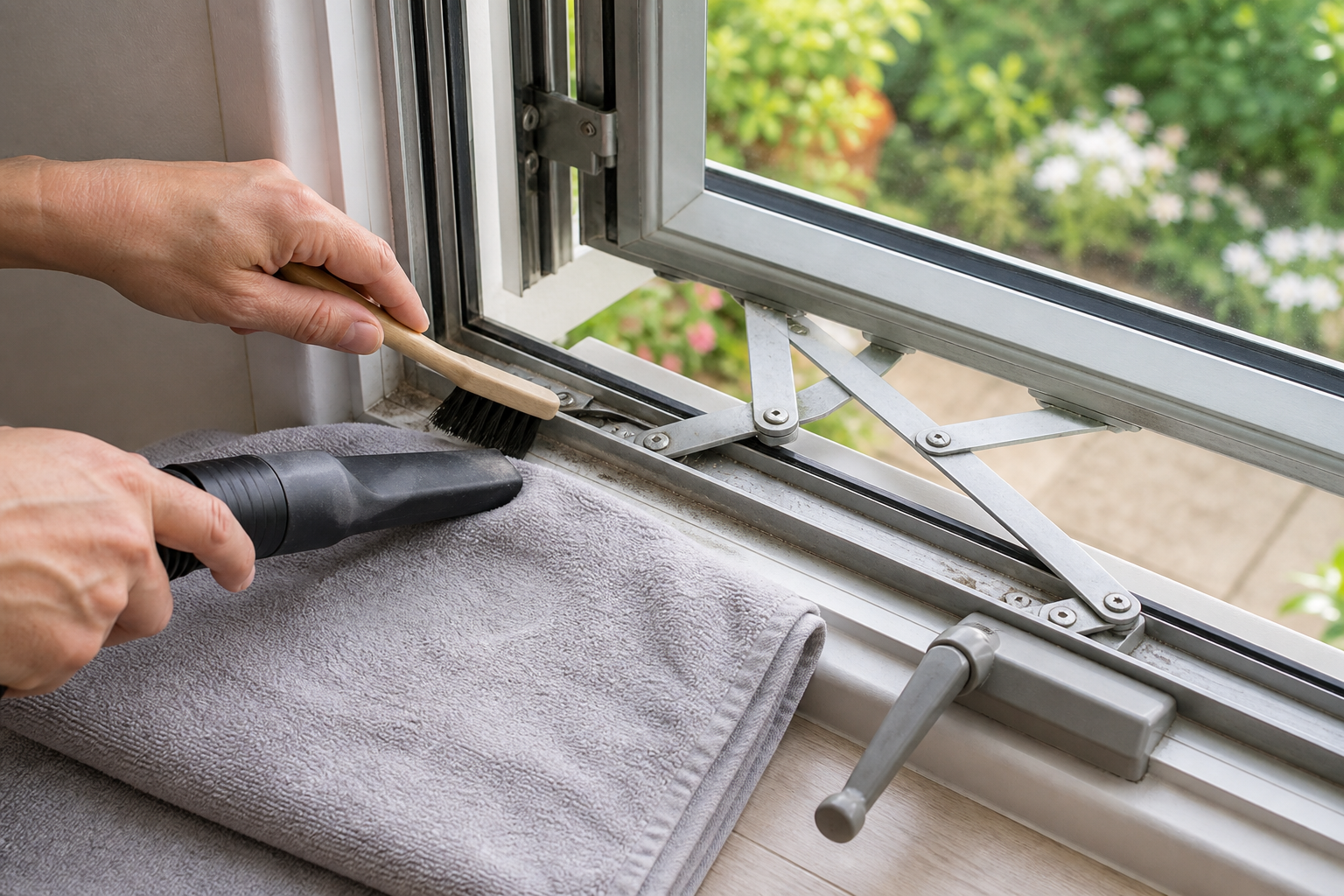
Maintenance frequency cannot be reduced to one universal number. Exposure varies with climate, orientation, overhang, coastal salt, irrigation, condensation, coating color, construction, and use. Follow the current product care guide and inspect often enough to catch open joints or coating damage before water remains in the wood. Record the date, location, condition, and repair rather than relying on memory.
Store unfinished units dry and protected during construction. Wet plaster, concrete, interior humidity, abrasive cleaners, and incompatible sealants can damage finishes or trap moisture. Assign who applies field finish, seals cut ends, repairs transport damage, cleans drainage paths, and documents final moisture-related conditions.
Compare Whole-Window Performance, Not Material Slogans
The U.S. Department of Energy says wood frames insulate relatively well but require regular maintenance, while exterior aluminum or vinyl cladding can reduce maintenance. It also explains that casements generally benefit from compression closure. Review its window frame and operating-type guidance as background, then compare the exact assembly.
A frame statement does not replace a whole-window rating. The National Fenestration Rating Council label allows comparison of U-factor, solar heat gain coefficient, visible transmittance, and air leakage when reported. Use NFRC’s official rating information and match the record to the proposed manufacturer, series, size, operator, frame, glass, spacer, and options.
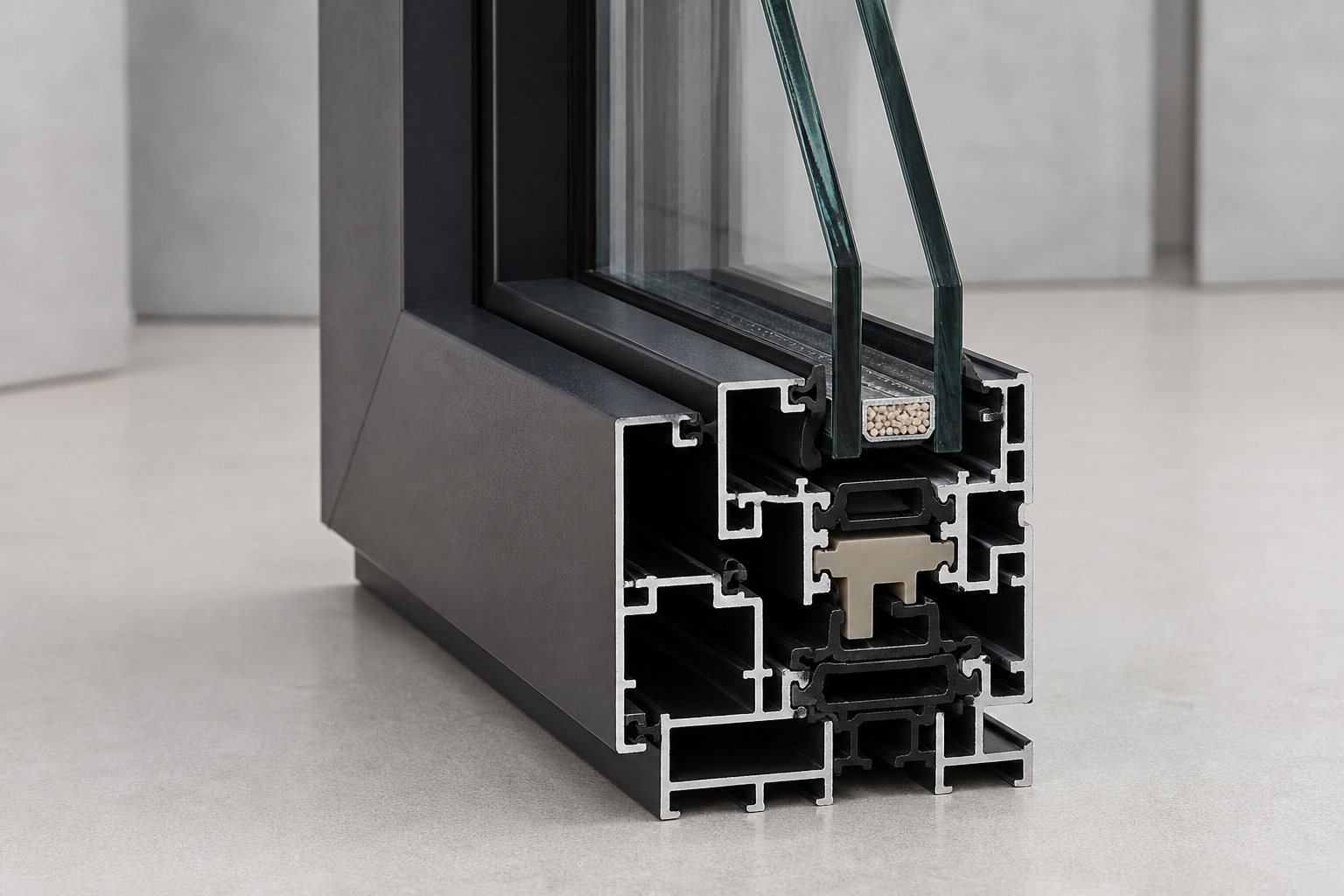
ENERGY STAR’s current residential window guidance groups qualifying criteria by climate zone and recommends retaining product labels. Select solar heat gain with orientation, shade, and room use in mind. Check condensation resistance information where relevant, but remember indoor humidity and installation details also affect surface condensation.
Operation matters too. Wood movement, finish build-up, hardware wear, frame distortion, or debris can increase closing force and reduce seal compression. Do not plane, sand, lubricate, or adjust a new unit without the manufacturer’s written procedure; an apparent material problem may instead be an installation or hardware issue.
Ten Items to Put in a Wood Casement Specification
- Product identity: Manufacturer, series, sash layout, hinge side, and opening direction.
- Material definition: Wood components, exterior cladding, treatment, and any verified sourcing claims.
- Finish: Factory and field coats, sheen, color sample, compatible touch-up, and sealed edges.
- Glass: Complete insulating glass description, safety glazing where required, and visual criteria.
- Performance: Whole-window ratings and weather/structural documentation tied to the submitted configuration.
- Hardware: Operator, hinges, locks, restrictors, fasteners, finishes, and replacement availability.
- Screen and shade: Location, mesh, frame, removal, handle clearance, and treatment attachment.
- Opening interface: Sill support, flashing, drainage, perimeter seals, attachment, and interior air seal.
- Protection: Delivery, storage, site humidity, cleaning, and damage-repair rules.
- Handoff: Labels, care guide, finish data, inspection record, warranty terms, and responsible parties.
Include a finish sample under the actual interior lighting and an exterior sample when color or cladding matters. For replacement work, document whether existing wood, trim, sill, flashing, or wall finishes remain. The Forge Windows insert-versus-full-frame guide explains why visible sash condition alone cannot define the replacement scope.
A wood option is a strong fit when the project values a wood interior or traditional repair approach and accepts the inspection and finish plan. A clad-wood option may fit when exterior exposure needs more protection. A verified aluminum, fiberglass, vinyl, or composite alternative may be more suitable when maintenance access, moisture exposure, structural needs, or finish expectations conflict with wood. Compare actual products rather than generic material stereotypes.
Frequently Asked Questions
Are wood casement windows energy efficient?
They can be, but material alone does not establish energy performance. Compare whole-window U-factor, solar heat gain coefficient, air leakage when available, and the exact glass, spacer, sash, seals, size, and installation represented by the certified record.
Do clad-wood casement windows need maintenance?
Yes. Exterior cladding can reduce direct exposure and repainting, but owners still need to inspect joints, drainage, seals, interior finish, hardware, glazing edges, and wall interfaces. Follow the exact manufacturer’s care guide and repair limits.
Can deteriorated wood windows be repaired?
Sometimes. The National Park Service notes that paint failure should not automatically be read as unsound wood and describes maintenance, stabilization, and parts replacement. A qualified assessment should determine moisture source, material condition, scope, safety, and historic requirements.
Should wood casement windows be stained or painted?
Use the finish system approved for the exact product, exposure, and desired appearance. Confirm surface preparation, sealed edges, number of coats, compatibility, color limits, touch-up, and maintenance. Do not leave field-cut or unfinished areas exposed.
Conclusion
Wood casement windows are a material-and-maintenance decision as much as an operating-style choice. Define the wood and cladding construction, protect moisture-sensitive joints, compare whole-window data, approve finishes, and assign care responsibilities. If a wood option is requested from Forge Windows, require configuration-specific written confirmation rather than assuming availability from a generic casement image.