2026-09-19
Choose aluminium, uPVC or timber windows by the complete product, its appearance, maintenance needs and installed specification. Aluminium can suit slim-looking frames and demanding layouts; uPVC and timber offer different thermal and aesthetic characteristics. No material alone establishes the best window, longest service life or lowest project cost.
Vinyl and uPVC are commonly used terms in window comparisons, although the exact product formulation and construction still need checking. Treat a quotation’s frame series as the product identity; a broad material name is only the beginning.
Compare material trade-offs without declaring a winner
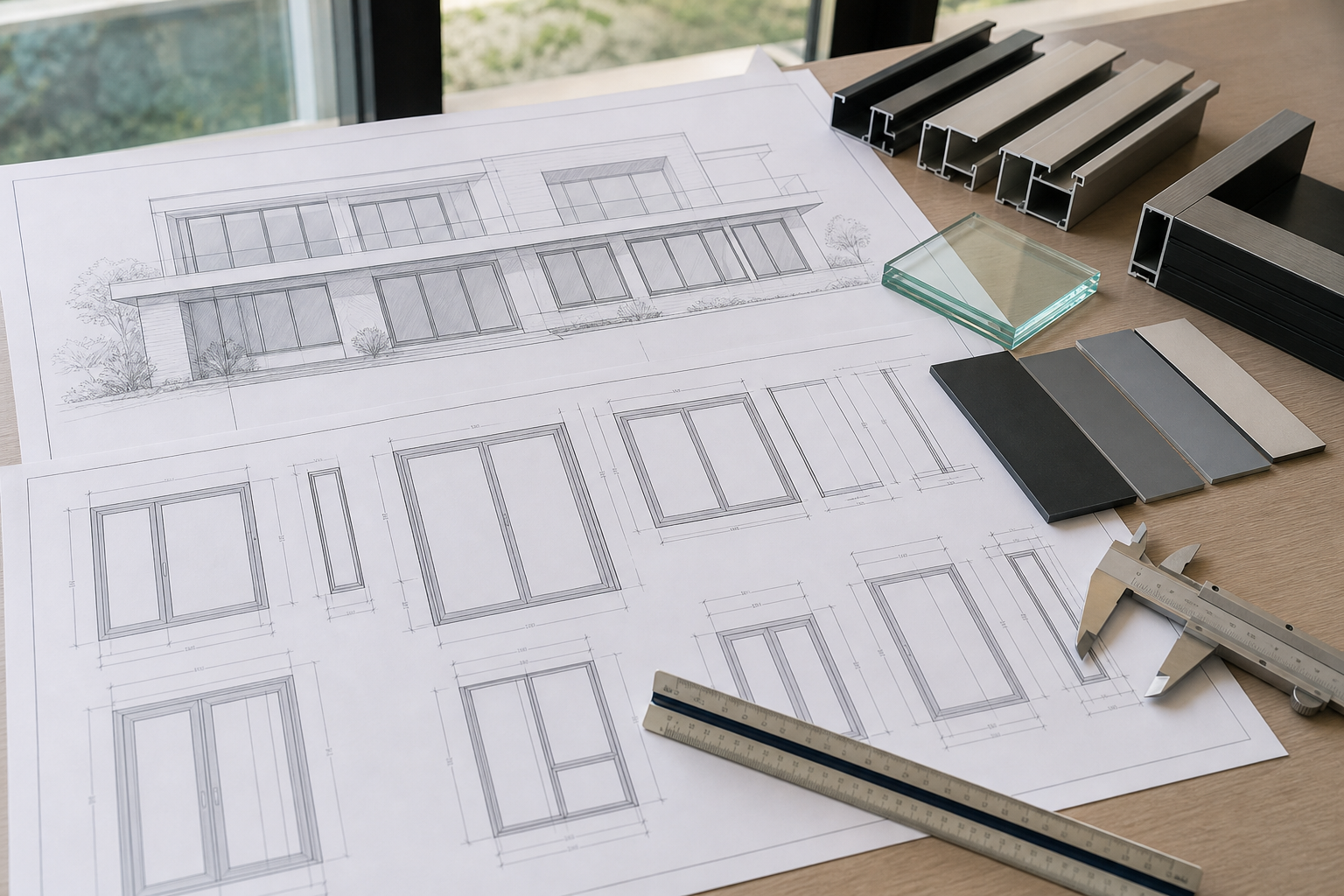
The Department of Energy’s frame overview explains that metal conducts heat readily and that wood needs regular maintenance. A thermal break changes an aluminium frame’s thermal design, while cladding changes some timber maintenance requirements. Compare the proposed versions, not a basic example of one material against a premium example of another.
| Material | Consider when | Ask specifically about |
|---|---|---|
| Aluminium | Frame appearance and system options suit the design | Thermal breaks, finish, exposure and replaceable hardware |
| uPVC | The available profiles and appearance suit the house | Reinforcement where needed, size limits and surface finish |
| Timber | Natural material character is a design priority | Coating care, moisture detailing and access for maintenance |
Why can aluminium cost more than uPVC?
It may cost more in a particular quote because of the frame series, finish, dimensions, glass or fabrication involved. That does not establish a universal market rule. Ask each bidder to price equivalent opening sizes, glass, operation and installation. Separate product cost from surveying, removal, delivery, access and making good.
Use the scope-first cost guide to reconcile exclusions. If two options perform different jobs, their totals are not a fair material comparison. A lower price can also reflect a simpler opening rather than the frame material.
Strength and lifespan need product evidence
Do not select a window using a material strength claim divorced from the actual frame geometry, reinforcement, joints and glazing. Ask for structural evidence for the proposed system and dimensions. The FGIA certification overview distinguishes whole-product performance evidence from broad descriptions.
There is no verified universal lifespan stated here. Frames, insulating-glass seals, coatings and hardware may need attention at different times. Ask which parts can be replaced, how long the supplier supports the series and who can service it locally. A warranty period is not the same thing as a predicted service life.
Frequently asked questions
What are the disadvantages of aluminium windows?
Potential concerns include heat conduction in a poorly specified frame, finish requirements in aggressive exposure and system-specific service needs. These are reasons to compare thermal design, coating and support carefully, not proof that every aluminium window has the same shortcomings.
Which lasts longer, aluminium or uPVC?
A reliable answer requires the actual products, exposure and maintenance conditions. Compare warranties and replacement parts, but also inspect drainage and installation details. Avoid accepting a fixed lifespan from a seller without a stated basis and relevant conditions.
How do I decide between aluminium and timber?
Choose the appearance you can maintain, then compare the actual thermal and structural specifications. View full-size samples and obtain a care plan. Record the selected system in the custom window brief before approving dimensions.