 2026-08-30
Direct answer: Casement window cost cannot be compared from a unit price alone. Normalize every quote to the same opening count, size, frame, glass, hardware, finish, screen, removal, installation, interior and exterior repairs, testing, warranty, taxes, and exclusions before choosing.
This cost guide is for U.S. homeowners, architects, builders, and buyers comparing installed proposals. It does not publish a universal price, promise savings, or estimate a project without location and scope. Its purpose is to make unlike quotes comparable and expose missing work before contract signing.
Key Takeaways
- Separate product, installation, removal, wall repair, finish work, closeout, taxes, allowances, and optional work.
- Use one opening schedule and one base specification for every bidder.
- Compare the exact National Fenestration Rating Council values, glass, hardware, size, and options—not a family name.
- Mark allowances, unit rates, exclusions, owner-supplied work, permits, access equipment, and concealed-condition rules.
- Evaluate price only after scope completeness, evidence, schedule, warranty, and contractor terms are aligned.
What Belongs in Casement Window Cost?
An installed cost is the total of coordinated product and project work. A low unit figure may exclude removal, disposal, flashing, perimeter air sealing, trim, paint, masonry, access equipment, screen, hardware upgrade, taxes, permits, or final adjustment. A higher figure may include those items. Compare scope lines before comparing totals.
| Cost layer | Typical scope questions | How to normalize |
|---|---|---|
| Window product | Series, size, frame, sash, glass, spacer, finish, hardware, screen | Use the same opening schedule and option list |
| Removal | Insert, sash-only, full-frame, disposal, salvage, protection | Name existing components removed and retained |
| Wall interface | Sill repair, flashing, anchors, sealants, insulation, drainage | Reference the same detail and concealed-condition rule |
| Finish work | Interior trim, exterior trim, cladding, masonry, drywall, paint | State material, extent, finish level, and responsible trade |
| Access and logistics | Scaffold, lift, floor protection, occupied rooms, cleanup, storage | Identify openings and working constraints |
| Closeout | Adjustment, labels, photographs, care, warranty, punch list | Require the same deliverables and acceptance checks |
ENERGY STAR advises buyers to obtain quotes from several installers and ask for labor and materials to be broken out. Its current residential window buying guidance also recommends retaining the ENERGY STAR and National Fenestration Rating Council labels. These steps support comparison, but local quotes still control actual project cost.
Record the Product and Opening Price Drivers
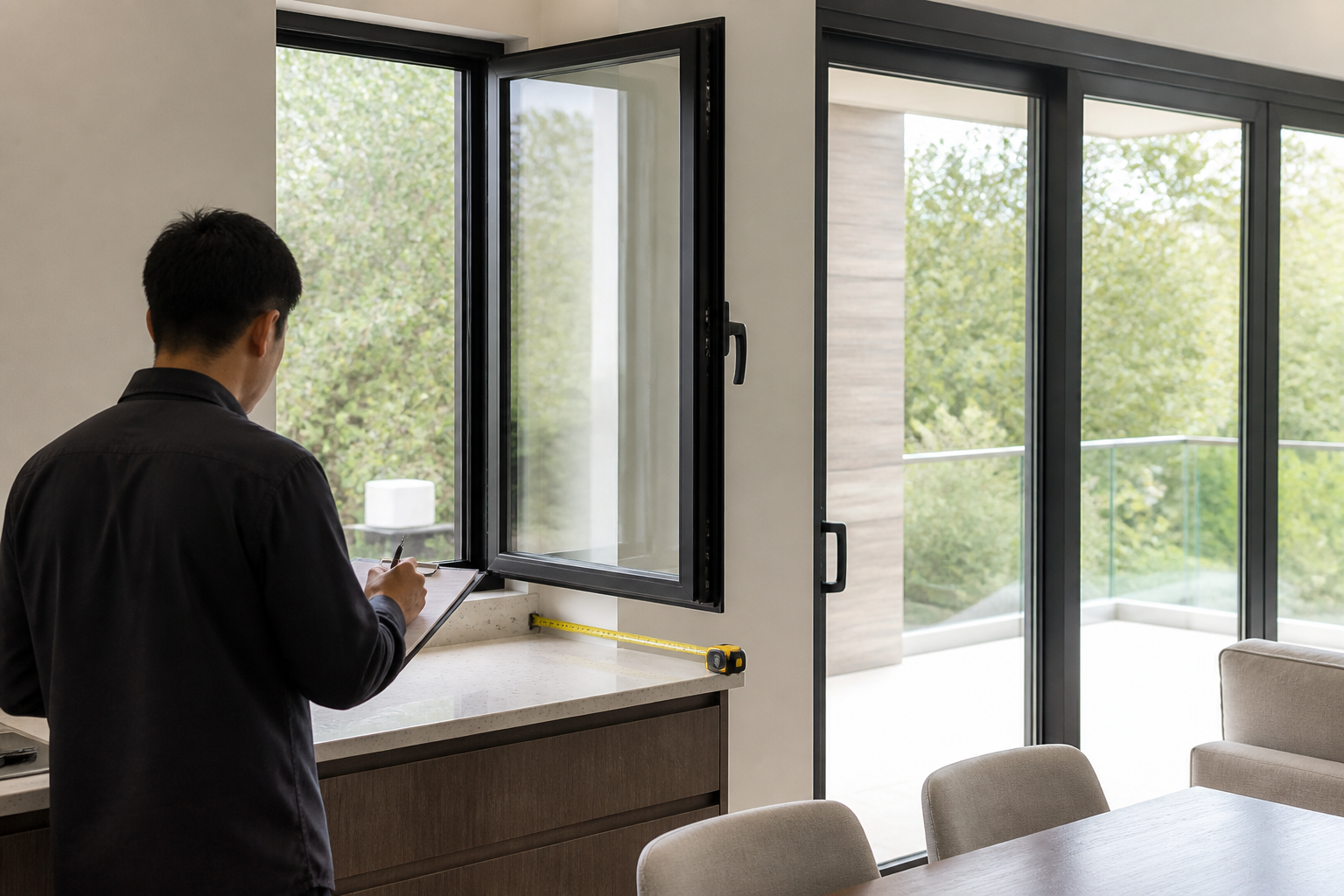
Each opening should have a mark, quantity, width, height, wall depth, sill height, room, floor, exterior exposure, interior access, and installation scope. Add frame material, profile, glass makeup, coatings, spacer, safety or impact requirements, grids, finish, screen, handing, operator, locks, hinges, limit devices, and performance data. The Forge casement replacement measurement handoff shows why a clean dimension list is only one part of a usable request.
Size affects more than glass area. A projecting sash places loads on hinges, operators, locks, reinforcement, corners, and anchors. Unusual width-to-height proportions, heavy glass, dark finishes, high exposure, impact requirements, or large sashes may change the product configuration and service method. Ask for written limits and do not price by scaling a smaller sample.
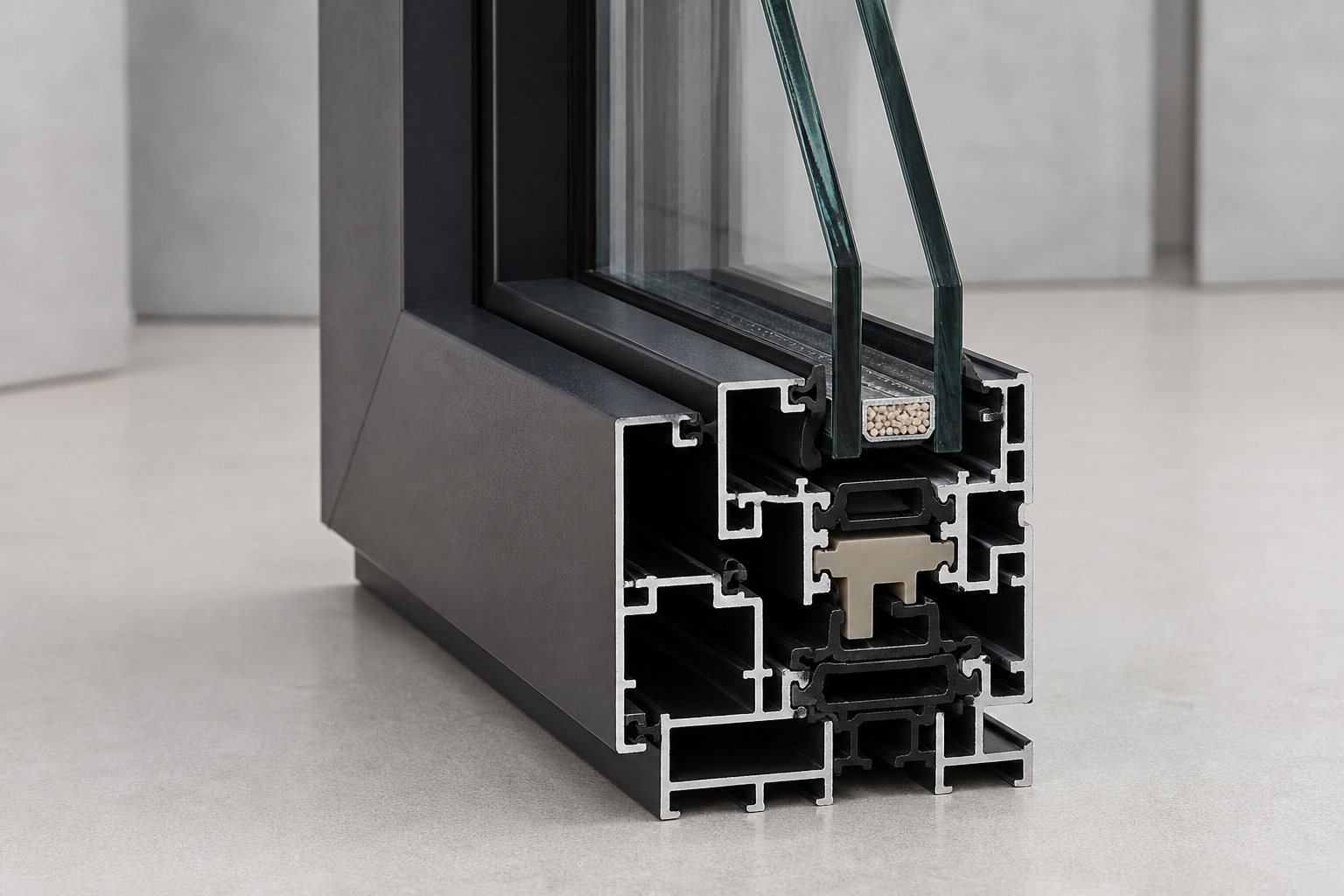
Performance options should remain visible in the quote. The National Fenestration Rating Council describes U-factor, solar heat gain coefficient, visible transmittance, air leakage, and condensation resistance on its window label guidance. A costly window is not automatically the better-performing option; compare verified values for the proposed configuration and climate requirement.
How to Normalize Installed Quotes
- Freeze a base scope. Issue the same drawings, opening schedule, specifications, photographs, performance requirements, and due date to every bidder.
- Create one line per opening. Require product, removal, installation, finish, access, and closeout values or clearly marked inclusions.
- Separate alternates. List glass, finish, screen, hardware, frame material, energy option, and installation alternates outside the base total.
- Convert allowances. Ask what quantity, quality, unit rate, markup, and reconciliation rule each allowance assumes.
- Mark exclusions. Assign permits, testing, structural review, lead-safe work, water damage, electrical work, alarms, shades, security devices, and concealed repairs.
- Check arithmetic. Verify quantity times unit value, subtotals, taxes, fees, discounts, deposits, retainage, and final total.
- Compare evidence. Match labels, product documents, installer qualifications, schedule, warranty, references, and acceptance procedure.
A useful comparison has at least three columns: base requirement, bidder response, and variance. A blank cell is not “included.” Require “included,” “excluded,” an allowance, a unit rate, or a written clarification. Keep telephone promises out of the decision until they appear in the revised written proposal.
The Forge guide to casement replacement installation day can be converted into scope lines for protection, removal, opening preparation, frame placement, sealing, operation, cleanup, and closeout. This helps identify quotes that include only setting the unit.
Check Contractor and Contract Terms
The U.S. Federal Trade Commission recommends multiple estimates and says a written estimate should describe the work, materials, completion date, and price. Its home improvement contractor guidance also advises checking licensing and insurance where applicable, reading the contract, documenting promises, and not choosing automatically from the lowest number.
Confirm contractor name, address, contact information, license information where required, insurance evidence, proposed start and completion timing, payment schedule, change-order process, cancellation rights where applicable, cleanup, protection, warranty, dispute path, and final acceptance. Contract rules vary by state and locality, so use local consumer-protection and legal guidance when needed.
For pre-1978 housing where painted surfaces may be disturbed, include lead-safe responsibilities rather than hiding them in an undefined allowance. The U.S. Environmental Protection Agency’s Renovation, Repair and Painting guidance explains the consumer and contractor considerations. Confirm whether the rule applies to the actual work and who provides testing, containment, cleaning, records, and disposal.
Use a Casement Quote Comparison Worksheet
- Project and opening marks; issued drawing and schedule revision; quote date and validity period.
- Manufacturer, series, product type, frame material, size, handing, sash arrangement, glass, spacer, finish, screen, hardware, and ratings.
- Quantity and price by opening; product subtotal; labor subtotal; taxes, freight, storage, fees, and discounts.
- Removal, disposal, salvage, rough-opening work, flashing, anchorage, sealants, insulation, trim, cladding, drywall, paint, masonry, and cleaning.
- Access equipment, occupied-space protection, furniture handling, working hours, temporary weather protection, and schedule.
- Permits, inspections, testing, lead-safe work, structural or engineering review, and concealed-condition unit rates.
- Submittals, shop drawings, samples, labels, photographs, operating checks, care instructions, warranties, punch list, and final payment conditions.
- Exclusions, alternates, allowances, assumptions, owner work, responsible trade, clarification status, and approved change orders.
Attach the worksheet to the request and require the bidder to return it, even if a separate proposal format is also used. After alignment, compare total cost, evidence quality, risk allocation, installation detail, service path, and schedule together. Contact Forge Windows through the project inquiry page with the marked schedule when configuration-specific product discussion is needed.
Frequently Asked Questions
How much does a casement window cost?
There is no dependable universal figure for every project. Cost varies with location, quantity, size, frame, glass, hardware, finish, screen, performance requirements, removal, wall repairs, access, labor, permits, taxes, and closeout. Obtain current written quotes against one defined scope.
Why are two casement window quotes so different?
The proposals may use different products, glass, sizes, hardware, ratings, installation scopes, finish work, access assumptions, warranties, taxes, or exclusions. Normalize each opening and cost layer, then ask bidders to explain every material variance in writing.
Should I choose the lowest window quote?
Not automatically. First confirm scope completeness, product identity, performance evidence, installation detail, contractor qualifications, schedule, payment terms, warranty, exclusions, and change-order rules. A lower number can omit work that appears later as an allowance or change.
What should be included in an installed casement window price?
The written scope should identify the window, options, removal, disposal, opening preparation, flashing, anchorage, air and water sealing, trim and finish repairs, access, cleanup, operation checks, documentation, warranty, taxes, allowances, exclusions, and responsibilities for concealed conditions.
Conclusion
Casement window cost becomes comparable only after product and project scope are normalized. Issue one opening schedule, separate every cost layer, expose allowances and exclusions, check written contract terms, and compare evidence with price. The result is a decision based on equivalent installed work rather than four unrelated totals.