 2026-08-30
Direct answer: A vinyl casement window can have repairable hardware, seal, screen, or adjustment problems, but damaged insulated glass, sash, frame, reinforcement, drainage, or installation interfaces may require a larger replacement scope. Diagnose the affected layer before ordering a part or complete unit.
This guide is for U.S. homeowners, property managers, designers, and service coordinators deciding what scope to request for one existing vinyl casement window. It covers observation and documentation, not do-it-yourself structural, glass, lead-paint, or concealed-water repairs. Product instructions, site conditions, and qualified review control the final work.
Key Takeaways
- Separate the symptom from the failed component: hard operation, air movement, fogged glass, water marks, and frame damage can have different causes.
- Divide the unit into six layers: hardware, seals, glass, sash, frame, and wall interface.
- Do not assume a universal part fits because two windows look alike.
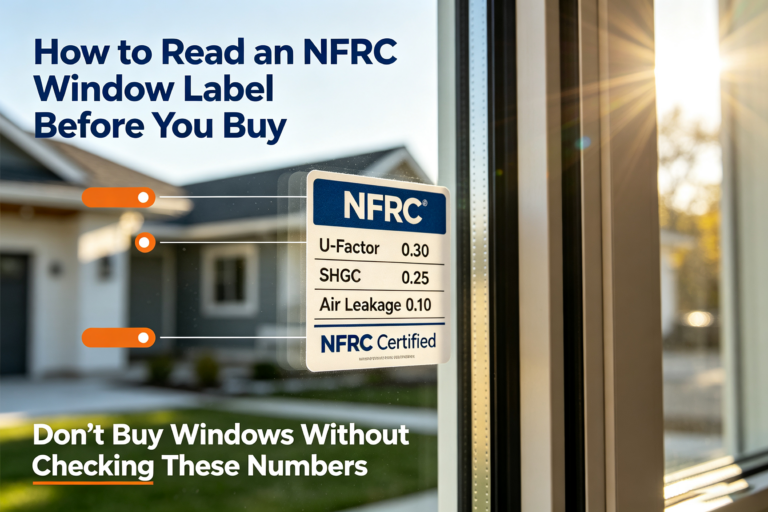
- Keep National Fenestration Rating Council labels, product identifiers, dimensions, handing, photographs, and service history together.
- Stop and escalate when glass is cracked, the sash is unstable, the frame is distorted, water is concealed, or painted surfaces may create a lead hazard.
Vinyl Casement Window Scope: Separate Six Layers
Vinyl describes the primary frame and sash material; casement describes a side-hinged operating sash. The National Fenestration Rating Council consumer types and parts guide explains that frame material affects thickness, weight, durability, and thermal characteristics. Those general material relationships do not diagnose a specific unit.
| Layer | Examples | Evidence to collect |
|---|---|---|
| 1. Hardware | Handle, operator, arms, hinges, locks, keepers, limiters | Handing, mounting pattern, movement, labels, close photographs |
| 2. Seals | Weatherstripping, gaskets, corner joints, sealant | Location, profile, compression, gaps, dirt, damage |
| 3. Glass | Insulated glass unit, spacer, coatings, glazing beads | Cracks, fogging location, etchings, dimensions, labels |
| 4. Sash | Vinyl members, corners, reinforcement, glazing, hardware attachments | Alignment, bow, cracks, fasteners, maximum opening |
| 5. Frame | Jambs, head, sill, drainage, anchorage zones | Square, level, plumb, distortion, drainage, finish condition |
| 6. Wall interface | Flashing, perimeter seal, insulation, trim, cladding, sill support | Water paths, gaps, stains, movement, concealed-condition limits |
A repair request should name the affected layer and describe the observed behavior. “Window leaks” is ambiguous: it can mean air through seals, water at the glazing edge, water at the frame joint, drainage overflow, or water entering through the surrounding wall. Record the location and weather conditions before assigning a cause.
Map the Symptom Before Naming the Part
Use the Forge casement operator and lock troubleshooting guide to divide the operating system into zones. Release the lock, operate the unit only through its normal range, and record when resistance begins. Do not force the handle, detach an arm, loosen a hinge, or bypass a control device to complete the test.
- Hard cranking or movement: record debris, sash alignment, operator travel, hinge movement, seal contact, and the exact point of resistance.
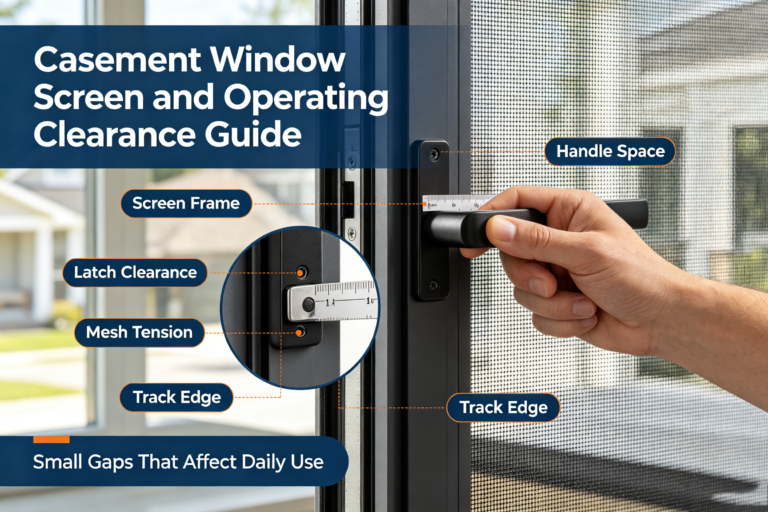
- Window will not lock: record sash position, lock and keeper alignment, frame distortion, and whether pushing the sash changes the result.
- Draft or noise: record where it is sensed, seal compression, corner gaps, lock engagement, and wind conditions; do not diagnose only by touch.
- Fog between panes: distinguish interior surface condensation from moisture inside the insulated glass space.
- Water marks: record rain direction, timing, sill drainage, glazing edges, frame joints, perimeter seal, wall finish, and conditions above the opening.
- Cracked or distorted vinyl: record length, location, temperature and exposure context, nearby fasteners, sash stability, and whether the damage is growing.

Keep the diagnosis neutral. For example: “Inside-view right-hinged sash stops 75 mm before full closure; upper lock engages, lower lock does not; visible abrasion at lower keeper; frame material and series confirmed by label.” That is more useful than “bad crank” because it preserves observations without pretending the root cause is known.
When Is Repair Reasonable, and When Is Replacement Broader?
A bounded repair may be reasonable when the product can be identified, the affected component is serviceable, the sash and frame remain stable, compatible parts and instructions are available, and the work does not conceal a larger water or installation problem. Typical service conversations may include adjustment, cleaning, documented lubrication, a compatible handle or operator, a lock or keeper, a screen, or manufacturer-approved weatherstripping.
A larger sash, glass, full-frame, or wall-interface scope may be necessary when the insulated glass seal has failed, glass is cracked, the sash is damaged or distorted, hardware attachments have failed, reinforcement is compromised, the frame is bowed or cracked, drainage is blocked by construction, or water originates outside the serviceable window assembly. The Forge article on casement replacement scope provides a five-level way to separate those paths.
Do not transfer energy ratings from the original unit to a changed assembly without supporting documentation. The National Fenestration Rating Council explains that its program provides verified whole-product information and that installation affects actual performance. Review the NFRC window FAQ and keep the proposed glass, sash, frame, and installation scope explicit.
Warranty terms may assign different responsibilities to the product manufacturer, glass supplier, dealer, and installer. Record purchase information, serial or label data, installation date if known, prior repairs, cleaning products, finishes, and modifications. Ask the responsible party to confirm coverage before destructive inspection or unauthorized coating.
Build a Vinyl Casement Window Service Record
- Identify the opening. Record address, room, elevation mark, floor, date, and inside/outside viewing convention.
- Capture the product. Photograph labels, etchings, profile, corner joints, drainage, glass, screen, handle, operator, hinges, locks, and attachment zones.
- Describe the symptom. State when it occurs, weather conditions, operating position, sound, visible movement, and whether it repeats.
- Measure references. Record overall frame and sash dimensions, visible glass, hardware mounting and arm geometry, lock locations, and profile details requested by the service provider.
- Assign the six layers. Mark hardware, seals, glass, sash, frame, and wall interface as observed, affected, unaffected, or unconfirmed.
- Request options. Ask for a repair path, sash or glass path, full-frame path, evidence for compatibility, warranty effect, and the proposed verification steps.
- Close out. Keep part numbers, before/after photographs, operating checks, care instructions, labels, and unresolved conditions.
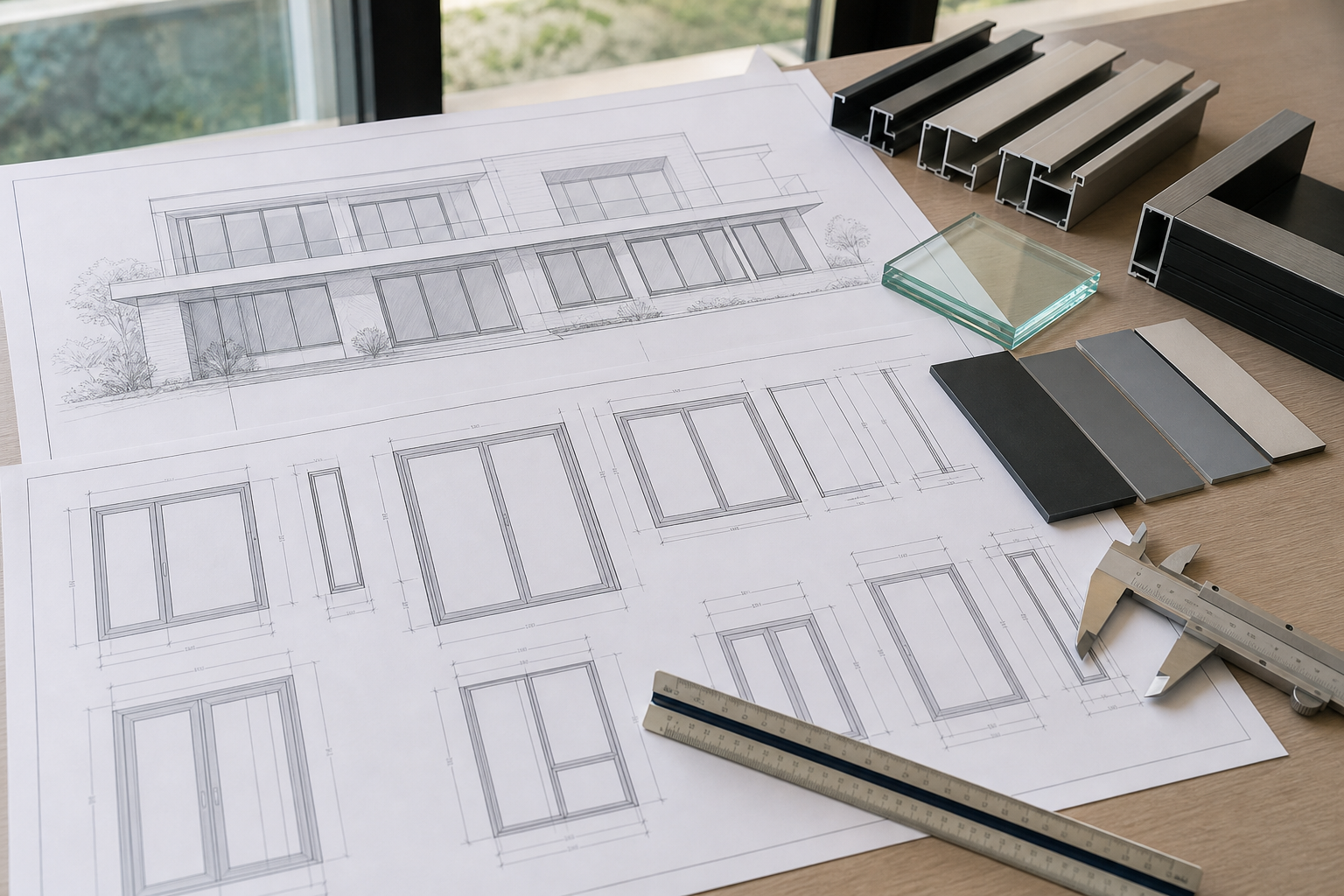
Use the earlier Forge vinyl casement buying checks when choosing a new unit. This record solves a different problem: determining which layer of an installed window needs attention and what evidence a service or replacement proposal should contain.
Set Safety and Work-Scope Boundaries
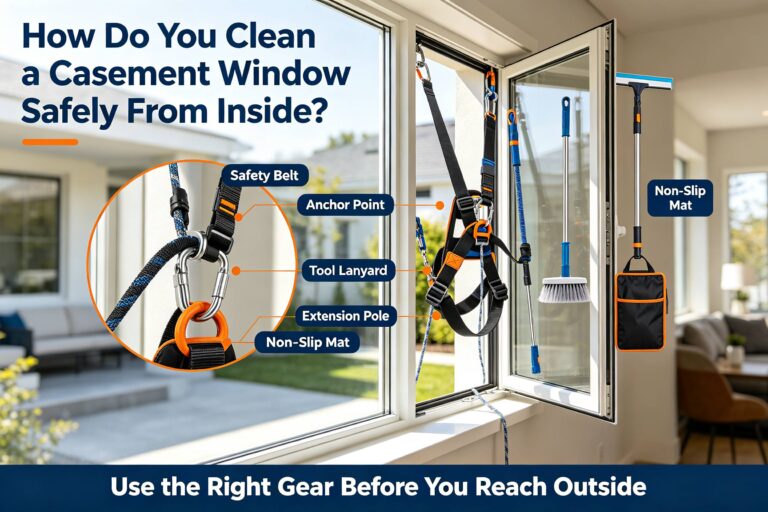
Stop normal operation if glass is cracked, the sash is unstable, hardware is detached, the unit may fall, or water may be affecting concealed construction or electrical components. Secure the area without improvised structural repairs and contact a qualified service provider.
For work that may disturb painted surfaces in pre-1978 housing, the U.S. Environmental Protection Agency explains that renovation, repair, and painting activities can create hazardous lead dust. Its current RRP guidance for consumers recommends lead-safe certified contractors and lead-safe practices where applicable. Confirm project and jurisdiction requirements before removal, sanding, cutting, or replacement.
Do not drill, cut, heat, paint, solvent-clean, or coat a vinyl profile unless approved instructions permit it. Concealed reinforcement, glass edges, drainage paths, fasteners, and thermal movement can be affected. A field record should identify who is authorized to decide, perform, and verify each action.
Frequently Asked Questions
Can a vinyl casement window operator be replaced?
Sometimes, if the window and operator can be identified, a compatible part is available, mounting and arm geometry match, and the sash, hinges, locks, and frame are stable. Confirm handing, fasteners, finish, adjustment, instructions, and warranty before ordering.
Does fog between panes mean the whole window must be replaced?
Not always. Moisture inside the insulated glass space may lead to a glass-unit or sash-level scope when the frame and service system remain suitable. Surface condensation has different causes. Identify where the moisture is, document labels and dimensions, and request product-specific options.
Can a cracked vinyl frame be patched?
Do not assume a cosmetic patch restores structure, weather resistance, drainage, finish, or warranty. Record crack location, length, movement, nearby fasteners, sash stability, exposure, and product identity. Ask the responsible manufacturer or qualified professional whether repair, sash replacement, or full-frame work is supported.
Should weatherstripping be replaced when a casement feels drafty?
Inspect seal condition, sash alignment, lock engagement, hinge and operator movement, frame distortion, and the exact air path first. New weatherstripping may not solve a misaligned sash or wall-interface leak, and an incorrect profile can prevent closure or damage hardware.
Conclusion
A vinyl casement window should be scoped by layer rather than by symptom alone. Separate hardware, seals, glass, sash, frame, and wall interface; preserve product evidence; set safety limits; and request a repair-or-replacement path that identifies compatible parts, responsibilities, verification, and unresolved conditions.