2026-09-15
No sliding glass door is burglar-proof under every condition. A useful specification combines documented forced-entry resistance, appropriate glazing, compatible locks, secure installation and safe inside release. Ask what was tested, which components were included, and whether the proposed door matches that evidence.
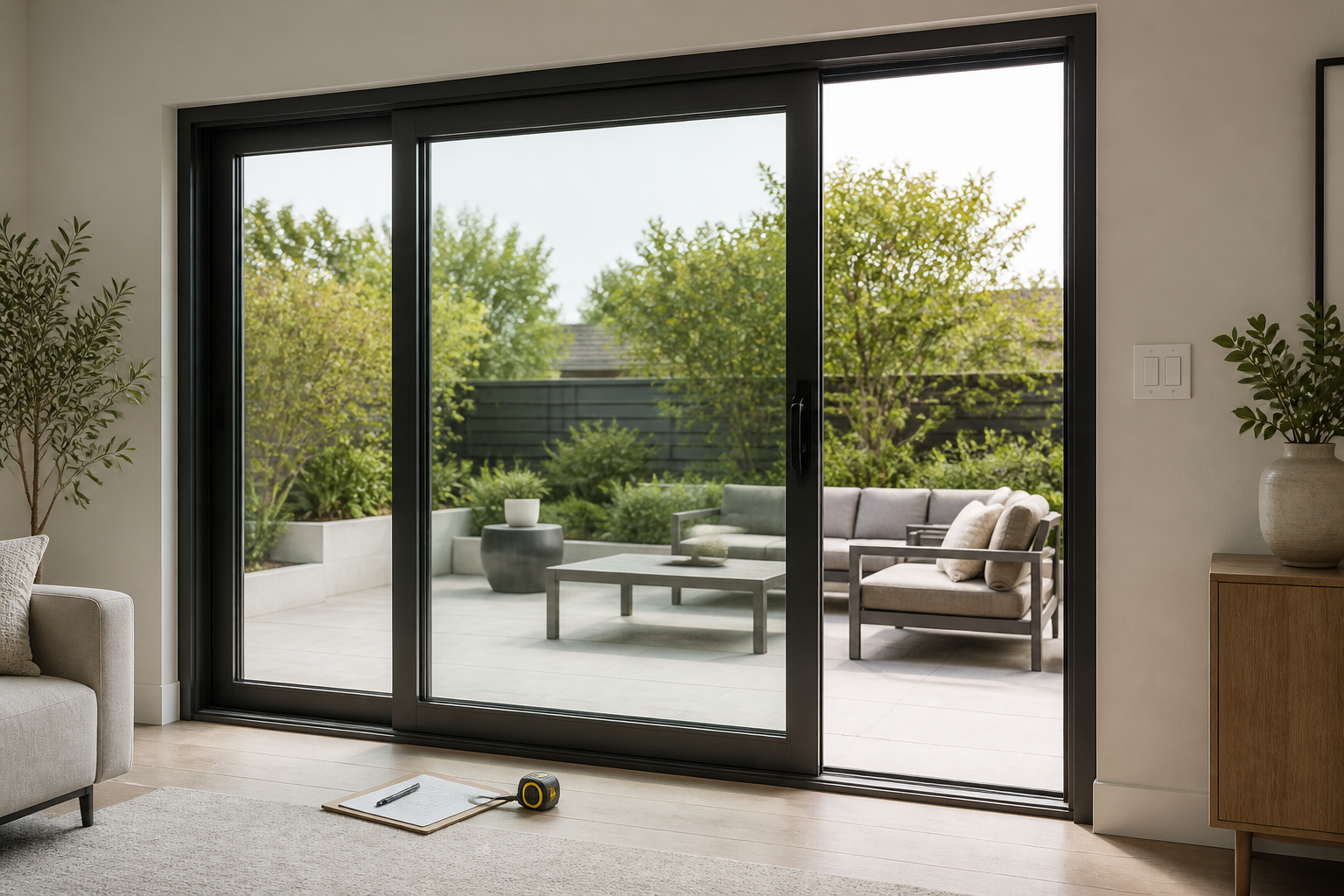
Searching for burglar proof sliding glass doors usually means wanting reassurance about a vulnerable-looking patio opening. The most productive buying conversation replaces that absolute promise with verifiable details. A large glass surface, a heavy frame or several locking points can look convincing without establishing how the assembled product performs.
Start with the complete door assembly
Request the manufacturer’s test report or a clearly identified certification record for the proposed system. Record the laboratory, standard, result, tested size and panel arrangement. Have the supplier explain whether your selected configuration falls within the documented coverage. A report for one product should not silently become evidence for a different frame, lock or glass package.
ASTM F842 specifically addresses forced-entry resistance of sliding door assemblies while excluding glazing impact. That boundary matters: evidence under this standard does not, by itself, demonstrate how the glass resists an attack. Ask the supplier to separate those claims in writing rather than presenting one result as universal protection.
Read qualifications as carefully as the headline result. A product described as tested needs an identifiable outcome and a connection to the item being sold. If the supporting document cannot be supplied, treat the performance claim as unverified when comparing quotations.
Separate safety glass from security glazing
Safety glazing and resistance to deliberate entry answer different questions. The Consumer Product Safety Commission’s architectural glazing guidance identifies patio-type sliding glass doors among products covered by its mandatory safety standard. Compliance with safety-glazing requirements should not be translated into a burglar-proof claim.
For an upgraded glazing proposal, ask for the exact glass construction, the applicable security test and the frame arrangement used in that test. Do not assume a familiar material name establishes a particular security level. A quote should distinguish the glazing’s documented performance from the assembly’s documented performance and make any limitations visible.
Existing doors need a compatibility review before changes. Have the original manufacturer or a qualified glazing professional determine whether the frame, supports and operating hardware can accept the proposed replacement. Include the effect on warranty coverage and future servicing in that discussion.
Review locks together with installation
Ask the supplier to identify the lock, keeper and supporting frame components on the drawing. Confirm that the specified parts are included in the quoted assembly and that the installer follows the manufacturer’s fastening instructions. A premium handle description is not a substitute for this information.
At handover, operate the door through several normal opening and closing cycles. It should close and engage its intended locking positions without improvised lifting, pushing or slamming. Have the installer correct misalignment before accepting the work. Keep the product identification and service instructions where the household can find them.
For supplemental devices, obtain written compatibility advice. Ask how each device affects everyday opening, cleaning and emergency release. Avoid adding several unfamiliar steps simply because each accessory is advertised as a security upgrade.
Use this quotation checklist
| Question | Useful evidence |
|---|---|
| What assembly was tested? | Report identifying size, panel layout and components |
| Was glazing impact evaluated? | Separate evidence with its stated scope |
| Which lock is supplied? | Part identification on the approved specification |
| How is it installed? | Manufacturer instructions and installer scope |
| How do occupants exit? | Demonstrated inside release and local requirements review |
| Who maintains it? | Service contact, adjustment guidance and parts information |
Keep secure operation compatible with escape
Tell the designer whether the patio door forms part of an intended exit route. Have applicable requirements checked before approving a gate, secondary lock or other obstruction. The right solution must work for the people actually using the home, including anyone who may struggle with reach or complex operation.
Demonstrate the final arrangement to household members. Everyone should understand normal locking and inside release. Include those actions in the handover rather than leaving an accessory in its packaging for someone else to figure out later.
Key takeaways
- Replace absolute security promises with identifiable performance evidence.
- Check the limits of both assembly and glazing tests.
- Verify the supplied components and installation scope.
- Review safe inside release before adding secondary devices.
Frequently asked questions
Can sliding glass doors be completely burglar-proof?
No absolute guarantee is credible for every circumstance. Compare documented resistance under identified test conditions and maintain the installed system.
Does safety glass establish forced-entry resistance?
No. Safety-glazing compliance and forced-entry evidence have different purposes. Request documentation supporting the specific security claim being made.
What should I bring to a supplier?
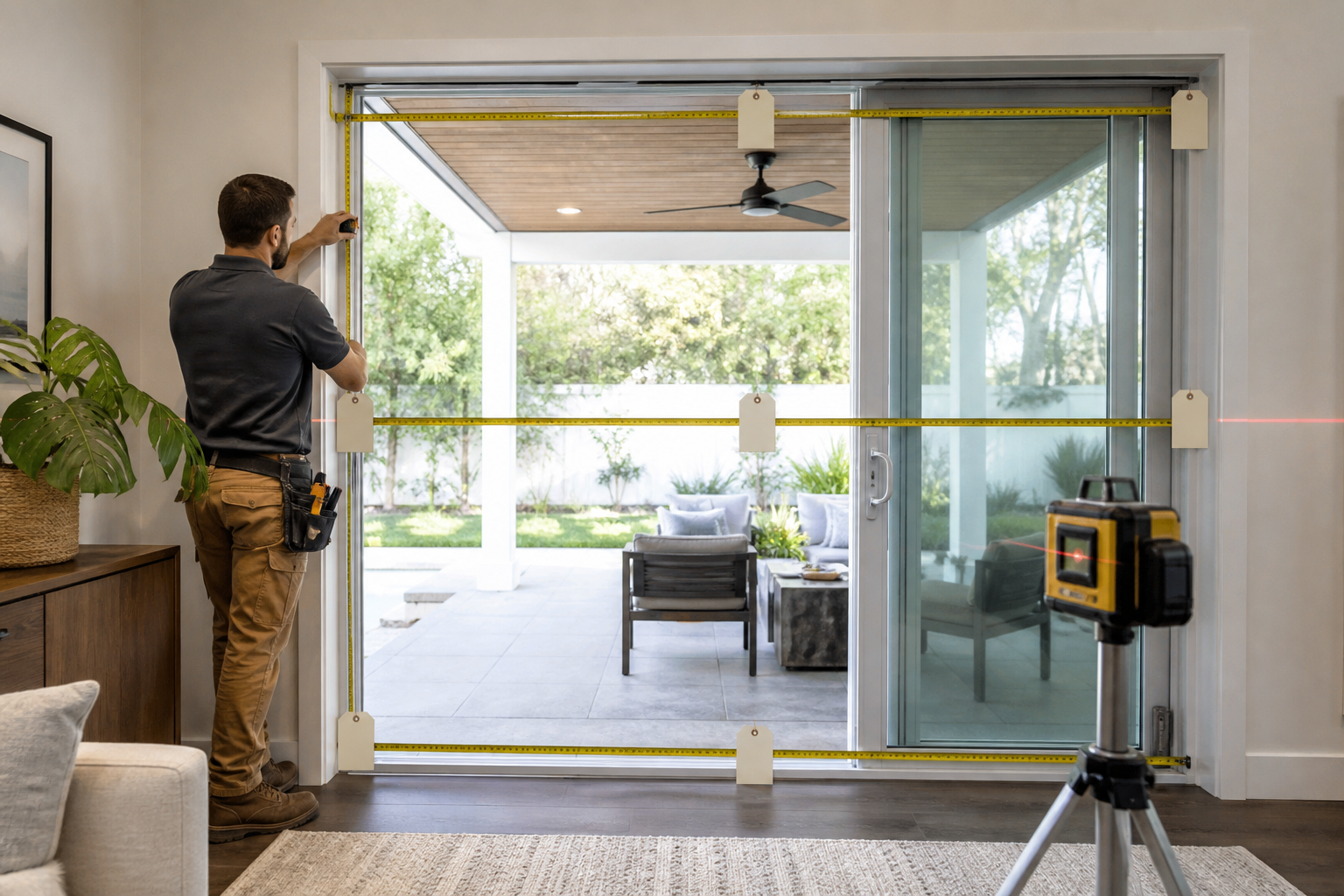
Bring opening photographs, approximate dimensions, the existing product identification if available, and notes about daily access and exit needs. Ask for a written specification before ordering.
Use that brief to start a project discussion with Forge Windows, requesting evidence for any proposed security features and a clear installation scope.