 2026-08-17
Direct answer: Folding Door hardware should be specified as a coordinated system of hinges, carriers, pivots, guides, handles, locks, stops, seals, threshold components, and attachments. A folding door lock cannot be selected separately from panel sequence, daily access, glass, frame, structure, and installation. Request a numbered operating and hardware schedule for the exact configuration before ordering.
Key Takeaways
- Number panels and map daily-access, ventilation, full-open, and locking sequences.
- Assign every hinge, carrier, guide, stop, handle, latch, and lock to a panel.
- Coordinate hardware with glass, frame reinforcement, threshold, drainage, screens, and shades.
- Separate design intent from tested or certified product claims.
- Provide adjustment, maintenance, parts, and owner-training information at handover.
Contents
- Map the hardware system
- Define the locking sequence
- Coordinate glass and safety review
- Match energy documentation
- Build a hardware submittal
- Frequently asked questions
Map Folding Door Hardware by Panel
Begin with a plan and elevation that numbers each panel from a consistent side. Show which leaf provides daily access, which panels fold together, where the stack parks, and whether the stack is inside, outside, or split. The hardware list should use those same panel numbers so installers and owners can connect each component to the operating sequence.
The Forge Windows Folding Door product listing and folding door category provide current site references for product discussions. Confirm all configuration, size, hardware, glass, finish, rating, and availability details for the exact quotation.
| Hardware group | Function to document | Coordination question |
|---|---|---|
| Hinges and pivots | Connect panels and define rotation | What panel, fasteners, reinforcement, and clearances apply? |
| Carriers and guides | Support or guide panel movement | Where are loads carried and adjustments accessed? |
| Handles and pulls | Provide user contact points | Do they conflict with stacks, screens, shades, or walls? |
| Locks and latches | Secure active and intermediate panels | What sequence confirms every point is engaged? |
| Stops and restraints | Limit or control panel travel | What protects panels, walls, glass, and adjacent work? |
| Seals and threshold parts | Complete joints and sill interfaces | How are drainage, replacement, and adjustment handled? |
Do not approve a generic list that says only “standard hardware.” Request manufacturer part names or references, finish, quantity, location, fasteners, adjustment range where documented, and any special tools. Keep unverified load, life-cycle, security, or corrosion claims out of the schedule until supporting documentation is available.

Define the Folding Door Lock Sequence
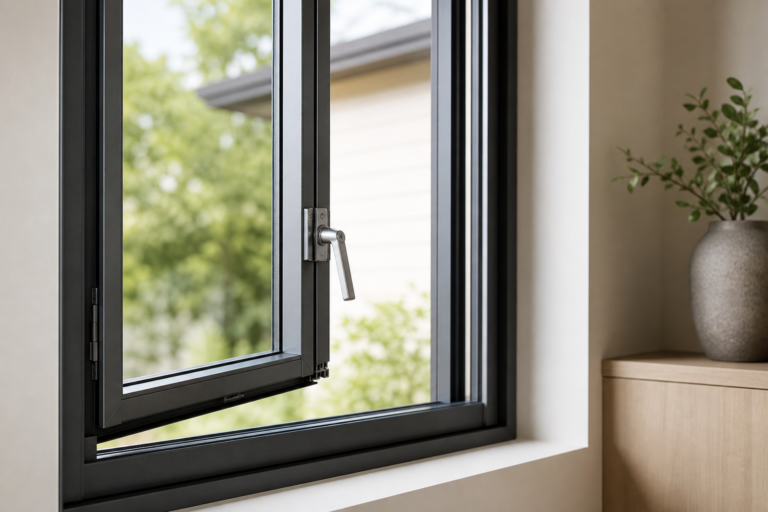
A folding door lock strategy can involve an active-leaf lock, intermediate bolts, shoot bolts, latches, keyed cylinders, thumb turns, or other product-specific components. The exact arrangement varies, so the approved operating diagram should show what the user touches and the order of each action. A “locked” position should be recognizable without excessive force or guesswork.
Map daily access separately from full opening. Occupants may use one leaf most of the time and release the remaining panels only for a wider opening. Confirm whether locks, bolts, or latches must be disengaged before panels move, and document the correct closing order to avoid forcing hardware or damaging seals.
Forge Windows’ commissioning and owner-handover checklist can help structure the final operation check. Use it with the exact product instructions and project documents. Do not claim a security rating unless the proposed system has supporting evidence for that rating.
Coordinate Hardware, Glass, and Safety Review
Hardware attachment and panel movement must be coordinated with glass edges, setting blocks, retention, frame reinforcement, seals, and allowable fastener zones. Never drill or attach accessories near concealed glass edges without approved details. Changes to glass or panel weight can affect the hardware review and should be returned to the supplier or design team.
The federal Safety Standard for Architectural Glazing Materials appears in 16 CFR Part 1201. The official eCFR page was accessed August 17, 2026. Qualified project professionals should determine how federal, state, local, and project-specific safety-glazing requirements apply to the actual door and location.
Threshold and panel-stack conditions also need early review. The Forge Windows threshold and safety planning guide covers floor transitions, drainage, clear passage, and related coordination. Use a section drawing that shows the door sill, adjacent floors, exterior landing, flashing, seals, and structural support.
Match Ratings to the Exact Door Configuration
The National Fenestration Rating Council Certified Products Directory can be used to search for certified fenestration records. The ENERGY STAR key product criteria identify current residential window and door requirements. Both official resources were accessed August 17, 2026.
Match any rating or certification record to the exact manufacturer, series, operator type, panel layout, glass, spacer, size, and options. Hardware or configuration changes may require a new review. Do not apply a result from a sliding door, hinged door, or different folding arrangement to the proposed door.
Energy documentation is only one part of an exterior-door submittal. Projects may call for separate evidence covering structural, air, water, safety, accessibility, or other requirements. Ask for applicable documents without turning design goals or marketing terms into verified values.
Folding Door Hardware Submittal Checklist
- Provide a numbered panel plan, elevation, and operating sequence.
- Identify daily access, full opening, panel stack, and locking positions.
- List hinges, pivots, carriers, guides, handles, locks, latches, bolts, stops, seals, and threshold parts.
- Show hardware locations, finishes, quantities, fasteners, and reinforcement.
- Coordinate glass, screens, shades, drainage, clearances, and installation interfaces.
- Attach applicable product records and verified ratings.
- Include adjustment, maintenance, parts, commissioning, and owner-training information.
Compare the hardware schedule against the quotation and drawings before approval. Mark missing information, substitutions, and exclusions. A final check should confirm that every listed component appears in the operating sequence and every operating step has the required hardware.
Frequently Asked Questions
What hardware does a Folding Door need?
The exact system may include hinges, pivots, carriers, guides, handles, locks, latches, bolts, stops, seals, threshold parts, and attachments. Requirements vary by product and panel layout. Request a configuration-specific schedule rather than relying on a generic list.
Can I replace a folding door lock with a similar part?
Do not substitute by appearance alone. Confirm the door series, panel, lock function, dimensions, handing, finish, fasteners, connected rods or bolts, and approved replacement procedure. An incorrect part can affect operation, alignment, seals, and the closing sequence.
When should hardware finishes be selected?
Select finishes during the submittal stage and verify them on samples or current product information when needed. Coordinate visible finish, exposure, cleaning, compatibility, and replacement expectations. Avoid unsupported durability claims without product-specific documentation.
What should the owner receive at handover?
Provide the approved operating sequence, panel and hardware schedule, keys where applicable, cleaning and maintenance instructions, adjustment limits, parts identification, warranty or service information, inspection records, and unresolved-item log. Demonstrate daily access, full opening, closing, and locking.
Conclusion: Specify Folding Door Hardware as One System
Folding Door hardware and a folding door lock must be coordinated with panels, glass, frame, threshold, drainage, accessories, installation, and owner use. Build a numbered schedule, verify applicable documentation, and test the approved sequence at handover. Review current Forge Windows information and contact Forge Windows with drawings for configuration-specific discussion.