2026-09-17
Aluminium windows are not unconditionally waterproof. Rain resistance depends on the tested assembly, exposure and installation. If water enters, record where it first appears and how weather affects it. A blocked drain, damaged seal, poorly closed sash or wall interface can require very different repairs.
Water visible on the inside sill does not tell you where it entered. It may have travelled from above or around the frame. Before wiping everything away, take photographs of the first wet area and the surrounding wall. Keep people and electrical items away from active leakage.
Record the leak before changing the window
Note whether rain was wind-driven, which side of the building was exposed, whether the sash was fully latched and whether the problem occurs every time. Photograph the head, jambs and sill from safe positions. Also note recent painting, sealant work or changes to paving that could have altered drainage.
| Observation | Possible area to investigate | Useful next step |
|---|---|---|
| Water at an opening corner | Closure, gasket or joint | Record alignment and damaged seals |
| Water above the frame | Head flashing or wall above | Ask for a building-interface inspection |
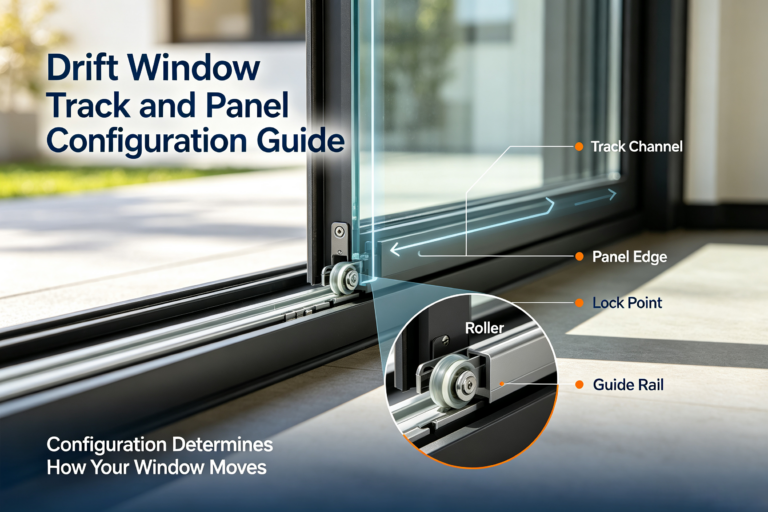
| Water collecting in a track | Designed drainage path or blockage | Identify intended outlets before cleaning |
| Air movement around the outside of the frame | Perimeter air seal | Inspect the frame-to-wall connection |
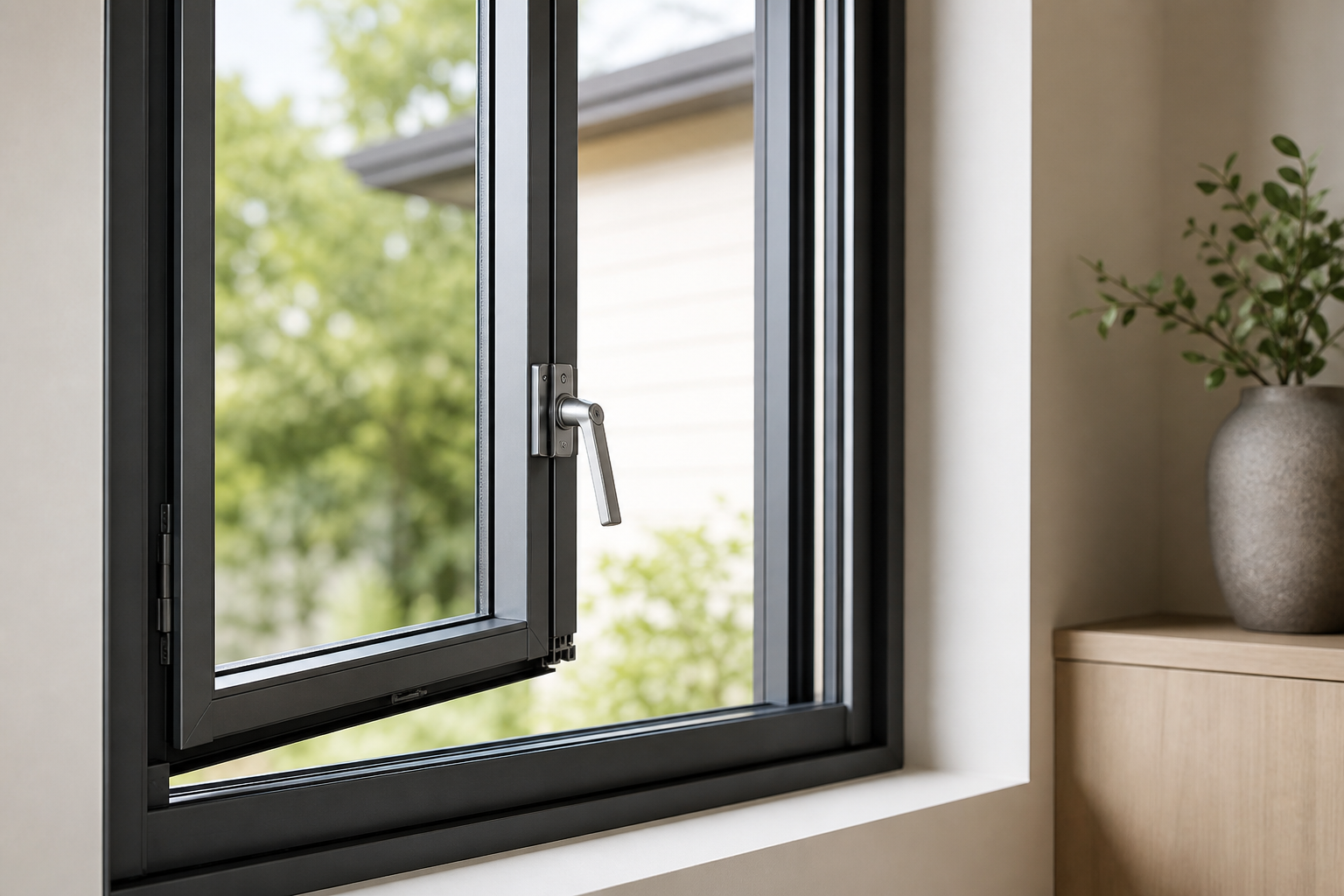
| Air movement at the opening sash | Closure or weather seals | Check whether it latches normally |
Do not seal every hole you can see
Some openings are part of a designed water path. Ask for the manufacturer’s drainage diagram before applying sealant. Clear only accessible loose debris using the approved care method. Do not drill new drains or dismantle an upper-floor sash as an experiment.
The Fenestration and Glazing Industry Alliance treats air, water and structural performance as distinct product requirements. Request the water-test evidence for the exact unit, then ask the installer how its perimeter details preserve that performance. Product evidence alone does not diagnose a leak through the surrounding wall.
How do you know the window is properly sealed?
A normal visual check looks for continuous, undamaged seals, normal latching and obvious gaps or detached perimeter joints. It cannot establish a measured air-leakage or water-resistance rating. Persistent problems may need a controlled professional investigation with an agreed test and repair scope.
Use the renovation survey guide to separate existing damage from the proposed work. Ask the contractor to identify the cause, explain the repair and record the result before decorative finishes conceal the area again.
Frequently asked questions
Will replacing the window stop the leak?
Only if the replacement addresses the cause. A new unit can still leak when the water enters through an unresolved wall or flashing detail. Obtain a diagnosis before ordering and make the repair responsibilities explicit in the scope.
Why can I feel wind around a closed window?
Possible causes include a sash that is not fully closed, worn weather seals or gaps at the frame perimeter. Record the location and avoid forcing the handle. A technician can distinguish adjustment, component replacement and perimeter repairs.
Who should investigate first?
Start with the installer or the person responsible for the building envelope, especially if the work is under warranty. Provide photos and weather notes. The installation responsibility guide helps identify which party owns each interface.