2026-10-03
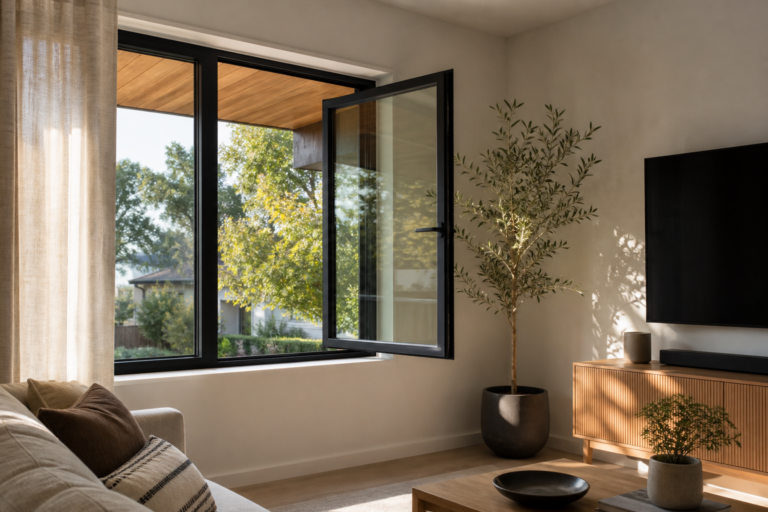
Direct answer: A search for “La Cantina window” usually concerns a branded product family, not a generic window type. Start by confirming the manufacturer spelling, product series, operation and exact configuration. Then compare drawings, labels and installation requirements for the specific opening rather than treating a photograph or a broad brand name as a complete specification.
LaCantina is written as one word by the manufacturer, while many searches add a space. That spelling difference is harmless; the important distinction is between a company name and the way an opening works. A direct-set window, a folding door, a swing door and a multi-slide door can all create a broad glazed elevation, but they do not share the same moving parts, panel layout or documentation.
Identify what “La Cantina window” means in this project
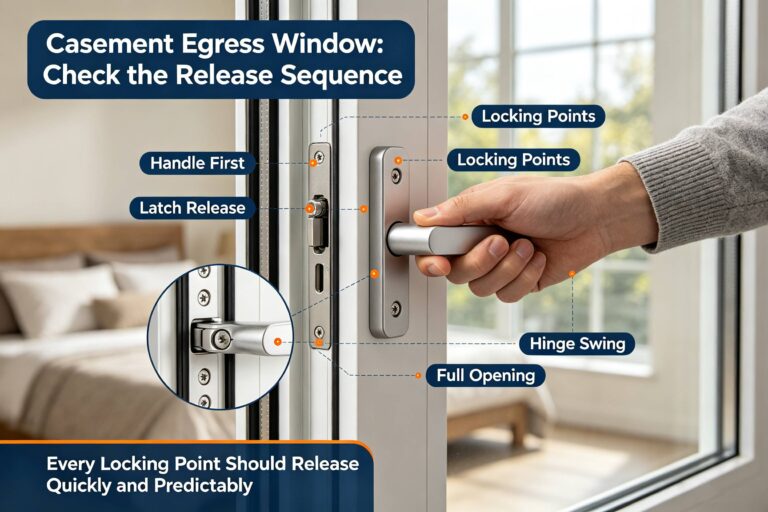
First decide whether the inquiry is about an existing opening or a proposed one. For an existing unit, look for a product label, order record, series name or service documentation. Photograph the full opening, visible hardware, sill and any accessible identifier. Do not rely on a handle shape alone: replacement parts and adjustment instructions are system-specific.
For a new project, describe the desired result before naming a system: fixed view, ventilation, a serving opening, daily pedestrian access, or a wall that opens for entertaining. LaCantina’s V2 Folding Door page describes a collection that includes folding doors, swing doors and direct-set windows. That demonstrates why the quoted product name and configuration matter. This is an independent guide; Forge Windows is not presented here as affiliated with, or an equivalent of, LaCantina.
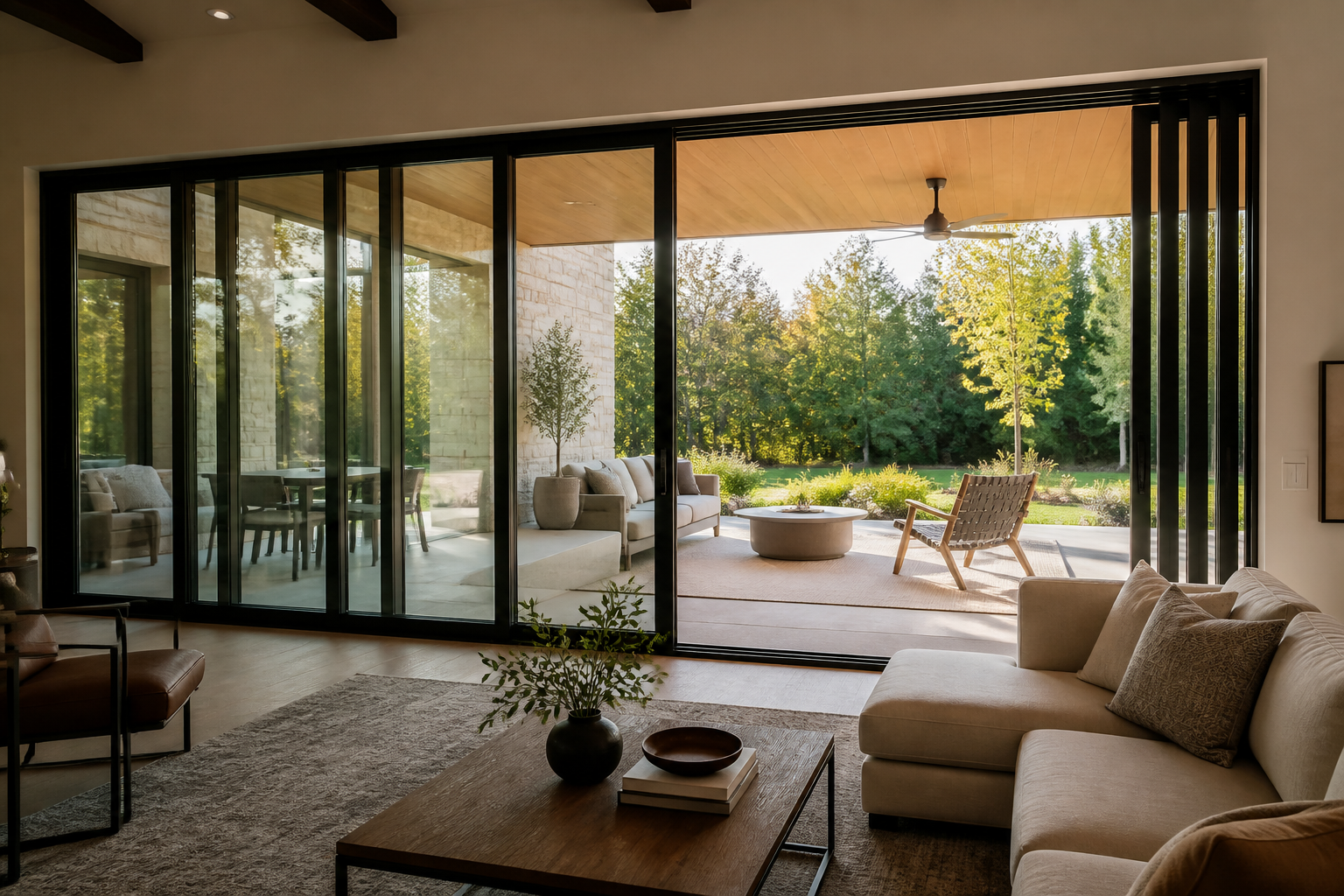
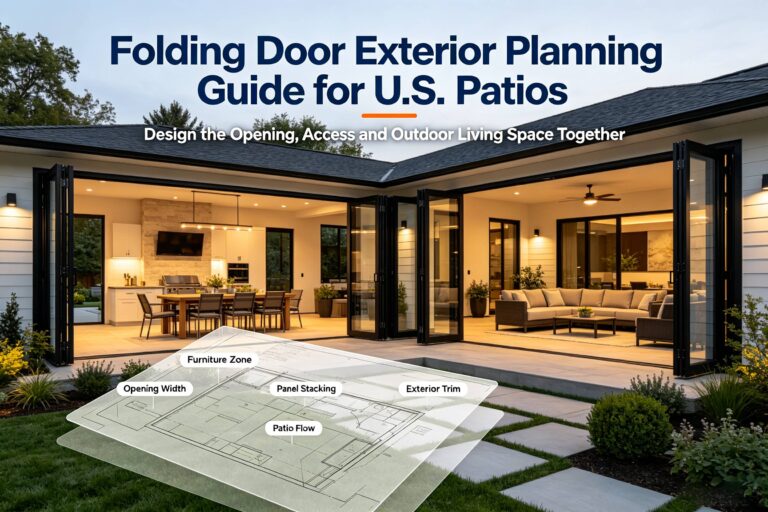
When the mechanism is still unclear, use this folding-door identification guide to separate hinged, folding and sliding movement. If the project needs a window rather than a door, record whether it is fixed or operable, where the sash moves, and how cleaning and ventilation will work.
Request documents that match the proposed configuration
Ask the supplier for a dated quote, product series, elevation or shop drawing, glass description, frame finish, operating direction, sill or threshold detail, installation instructions and care information. For a rated product, ask which document applies to the size and options actually quoted. A brochure may introduce a family but may not describe every panel arrangement.
| Item | Why it matters | Question to ask |
|---|---|---|
| Product identity | Links the quote to a real system | What series and configuration is this? |
| Opening layout | Shows fixed, active and parked panels | Where does each moving panel go? |
| Glass and frame | Changes appearance and performance evidence | Which glass package and frame build-up apply? |
| Sill interface | Coordinates floors, drainage and weather protection | What detail controls this exact threshold? |
| Installation scope | Separates supply from field work | Who measures, flashes, seals and adjusts? |
The National Fenestration Rating Council explains that its label is used to compare energy-performance ratings for windows, doors and skylights. Compare like with like: a fixed window and an operable folding assembly have different frames, seals and use patterns. For context on those label fields, see Forge Windows’ NFRC label guide; it does not establish a rating for a different product.
Compare the whole opening, not only the sightline
Large glass areas can make two designs look alike in an elevation, while their site needs differ. Include the wall opening, structure, floor levels, exterior landing, shading, water path, access route and panel parking in the comparison. Do not use a presumed “slim frame” or a general material name as evidence of a particular U-factor, air leakage value, water performance or structural capacity.
The U.S. Department of Energy notes in its window types and technologies guidance that frame materials, glazing, gas fills, spacers and operating type affect overall energy-related properties. It also recommends looking for an NFRC label to compare whole-window properties. That is a useful prompt for a document request, not a promise that every named system has the same value.
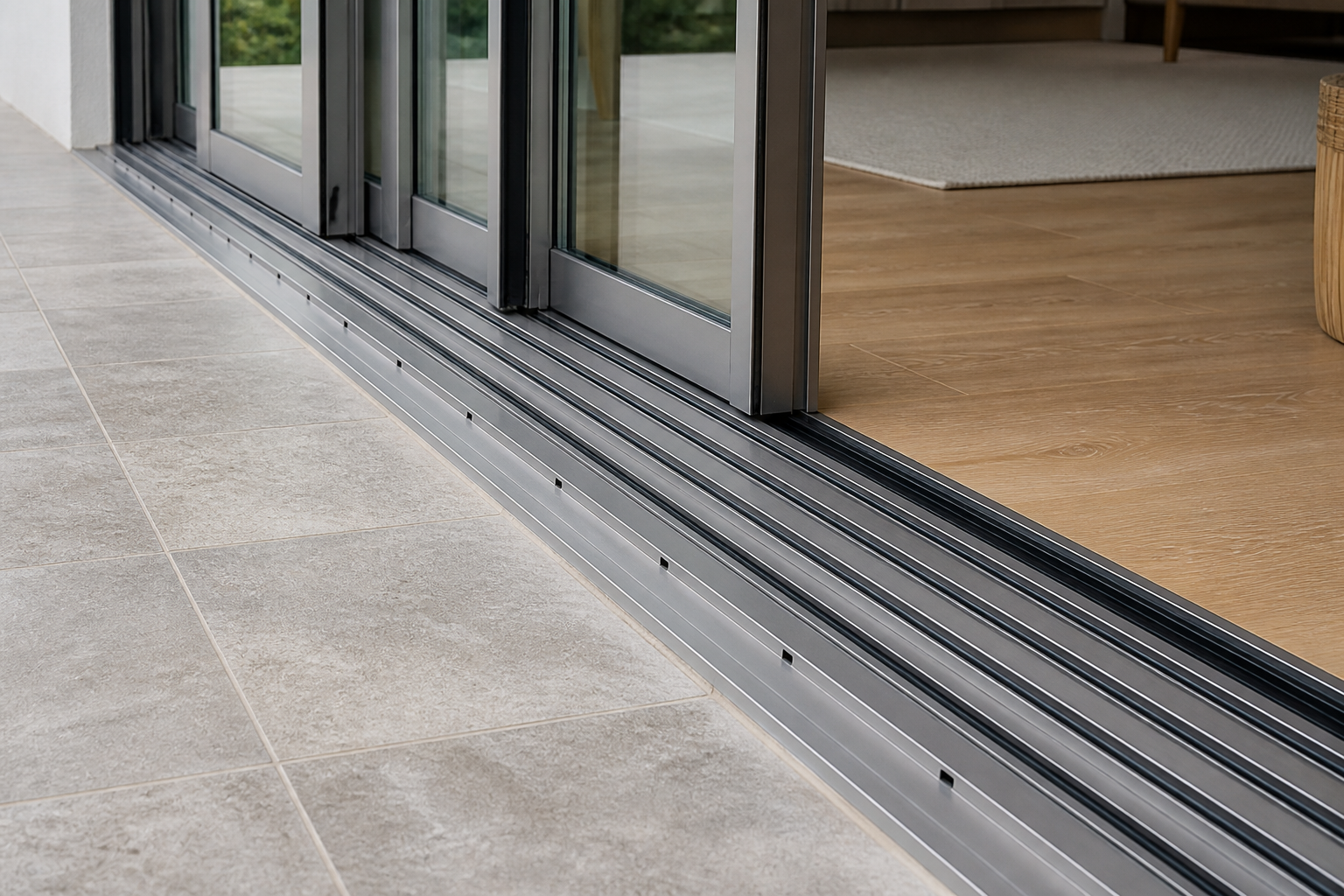
For exterior work, ask the project team how the opening joins the wall’s water and air-control layers. DOE’s flashing guidance describes the importance of lapping flashing so water is directed outward from an opening. The selected manufacturer’s instructions and the project’s approved envelope detail control the actual work.
Keep a record useful to the next owner or service visit
Put the final drawing, order confirmation, label or performance record, installation instructions, maintenance guidance and warranty terms in the same project file. At handover, operate the opening as intended, confirm locks and accessible drainage areas, and record anything still awaiting correction. The record should name the actual supplier and series rather than saying only “La Cantina window.”
A clear record makes later questions faster: it helps a service provider identify the configuration, lets a homeowner find the approved cleaning method, and prevents an unrelated product image from becoming the assumed specification. It also keeps the brand reference in its proper place—one part of a documented assembly.
Frequently asked questions
Is La Cantina a window type?
No. LaCantina is a manufacturer name. A project still needs to identify the actual product category, series and configuration, such as a fixed window, folding door or another opening system.
Can I compare a branded window with a generic quote?
Yes, but compare dated documents for equivalent intended use, size, glass, frame, operation, sill, installation scope and applicable performance evidence. A similar photograph is not enough.
Does a large glass opening need one universal energy rating?
No. Ratings apply to the documented product configuration. Compare the records for the actual window or door type, size and glass package proposed for each opening.